Aloud Archives
Read more
The Challenge
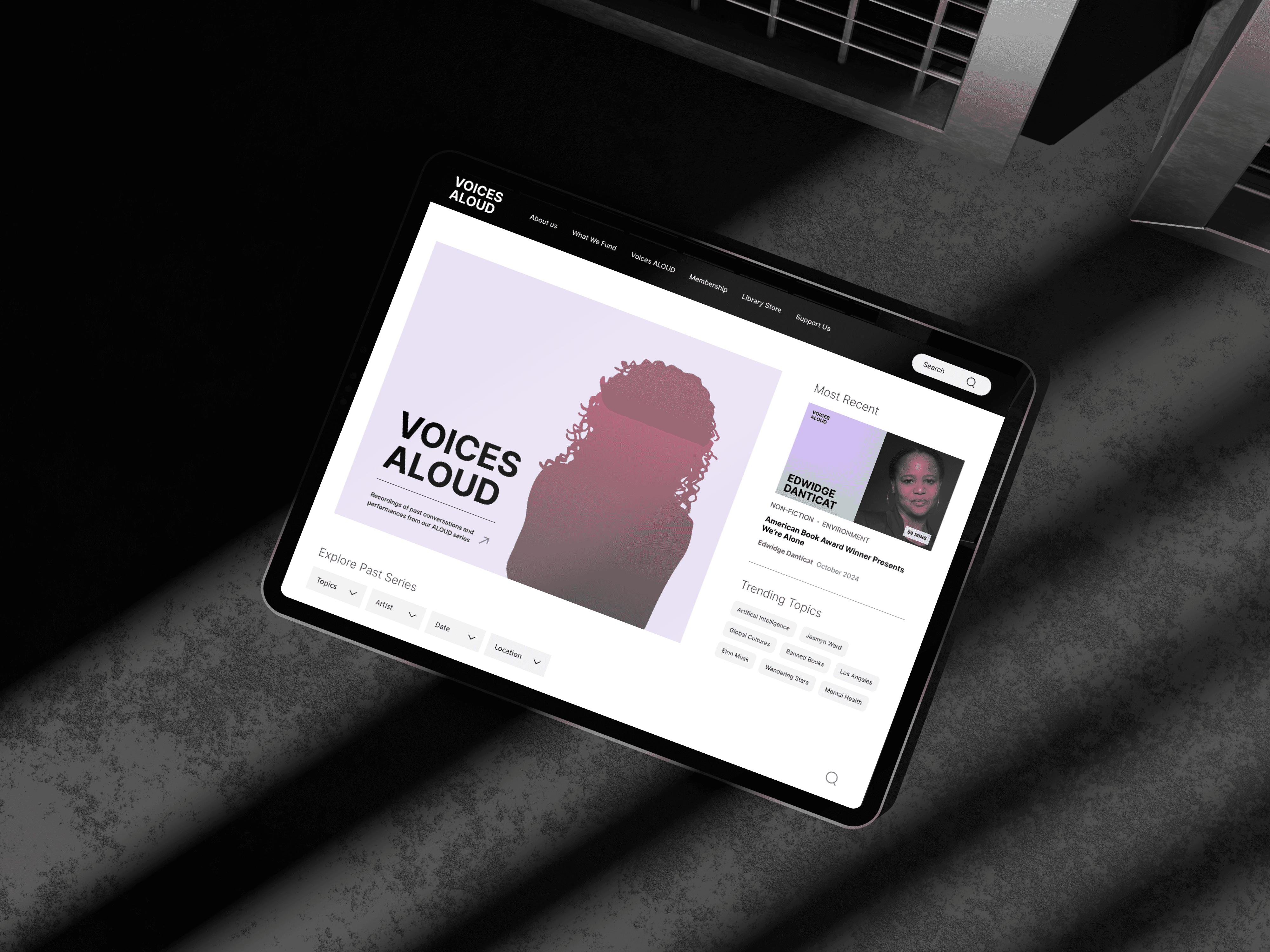
ALOUD’s digital presence suffered from a fragmented search experience and a limited user base, primarily consisting of an older demographic. The existing archive lacked the information architecture necessary to engage a younger, more diverse audience, creating a significant barrier to in-person event attendance and content discovery.
Solution
We overhauled the ALOUD Archive by developing a custom tagging system integrated via Google Sheets to streamline the media catalog. This backend powers a new layered search flow that simplifies discovery. To complement the redesign, we launched targeted marketing materials specifically designed to bridge the gap between digital users and a modern, diverse community of live event attendees.
Role
UX Designer
Industry
Non-Profit
Timeline
August 2024 - December 2024
Tools
Google sheets
Optima Workshop
Figma
02. Design challenge
How might we redesign the ALOUD Archives webpage utilizing tags to enhance the searchability of media content ?
03. Project goals
What I led
Conducted card sorting activity with recruited users and analyzed resulting data to inform design decisionsLed an expert interview with ALOUD Archive staff member Jorge Martinez to gain insights into the project’s problem space, goals, and scope.
04. Understanding the client
The why?
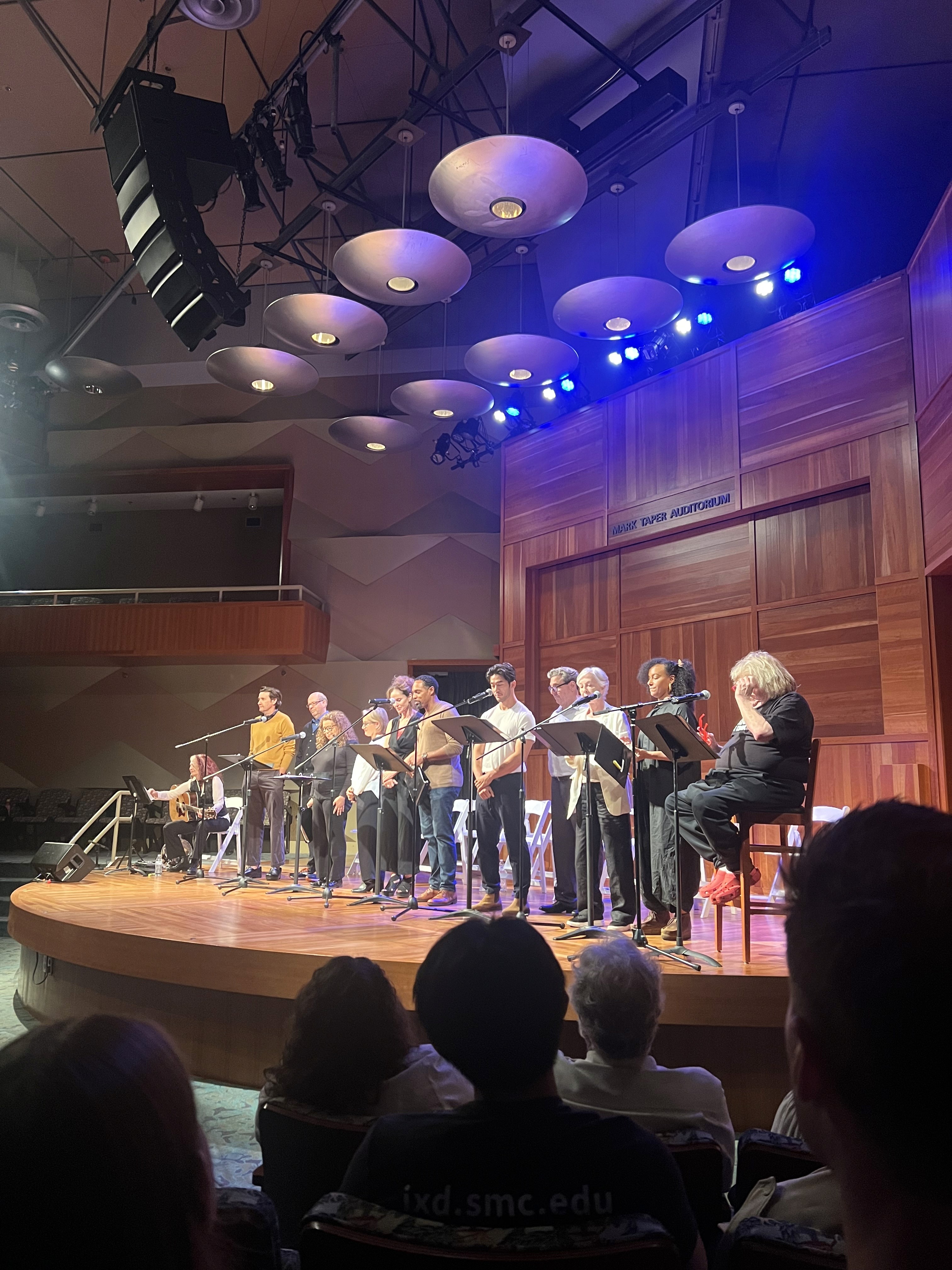
The ALOUD program run by the Library Foundation of Los Angeles offers year-round cultural programs that bring together speakers and authors from different backgrounds to share ideas with a live audience. Their Media Archive page has a treasure trove of content from the past 20 years but it is extremely unorganized.
05. Design process
Exploring multiple solutions
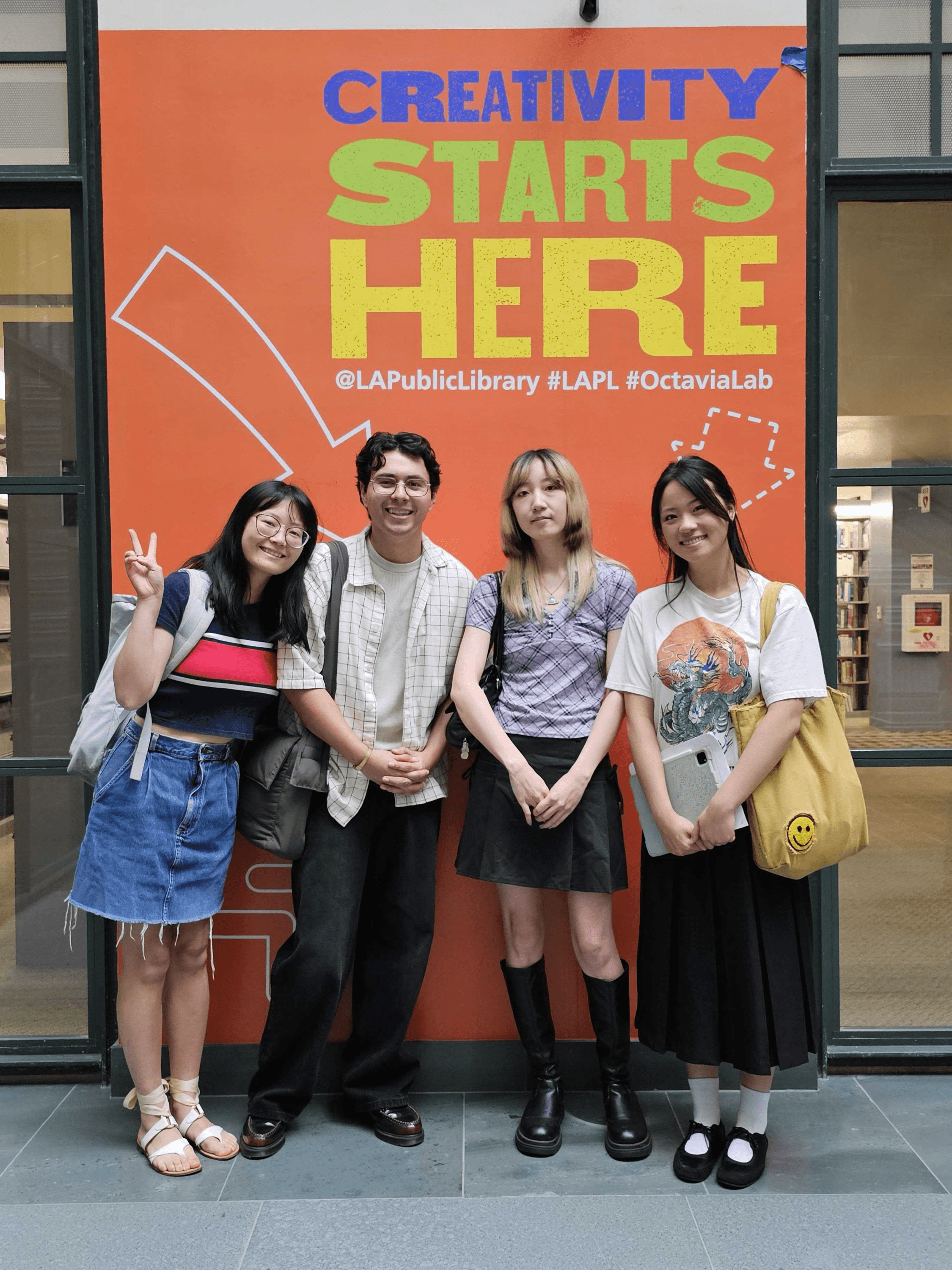
The design team began our process by trying to understanding various problems to solve. We conducted research on developing a marketing plan targeted at bringing in a different kind of user, creating a podcast series, an entire website redesign, but ultimately we decided to focus on a tagging system.
1
Research methods we used
User DemographicsExpert InterviewsCard Sorting ActivityUser Research SurveyCompetitive Analysis
2
Meeting with the client
Stakeholder Midterm Check-inHeuristic Evaluation
3
Ideation
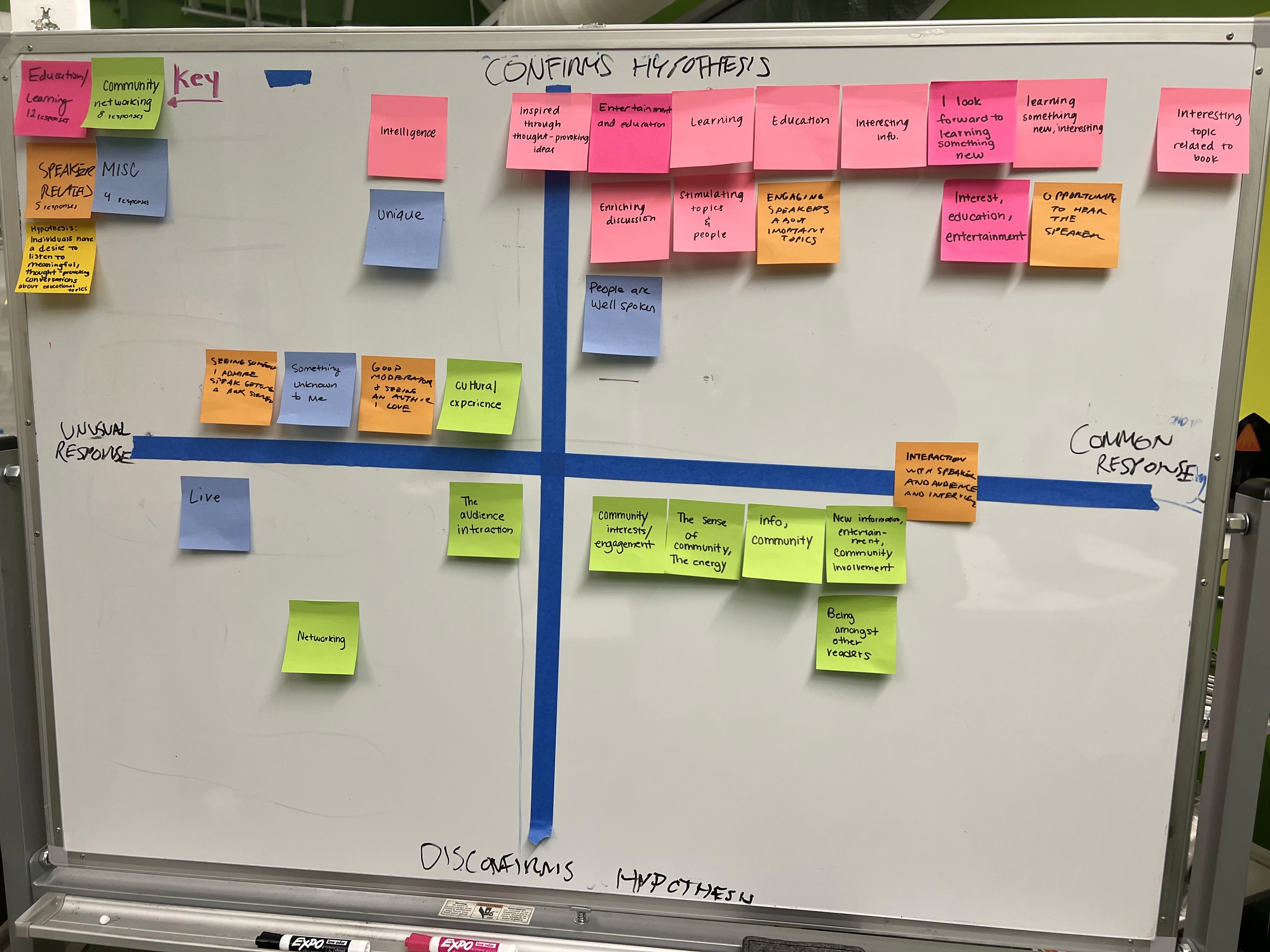
We had many client asks for this project. They wanted a website redesign as well as physical materials to promote their in person events.
4
Final pitch
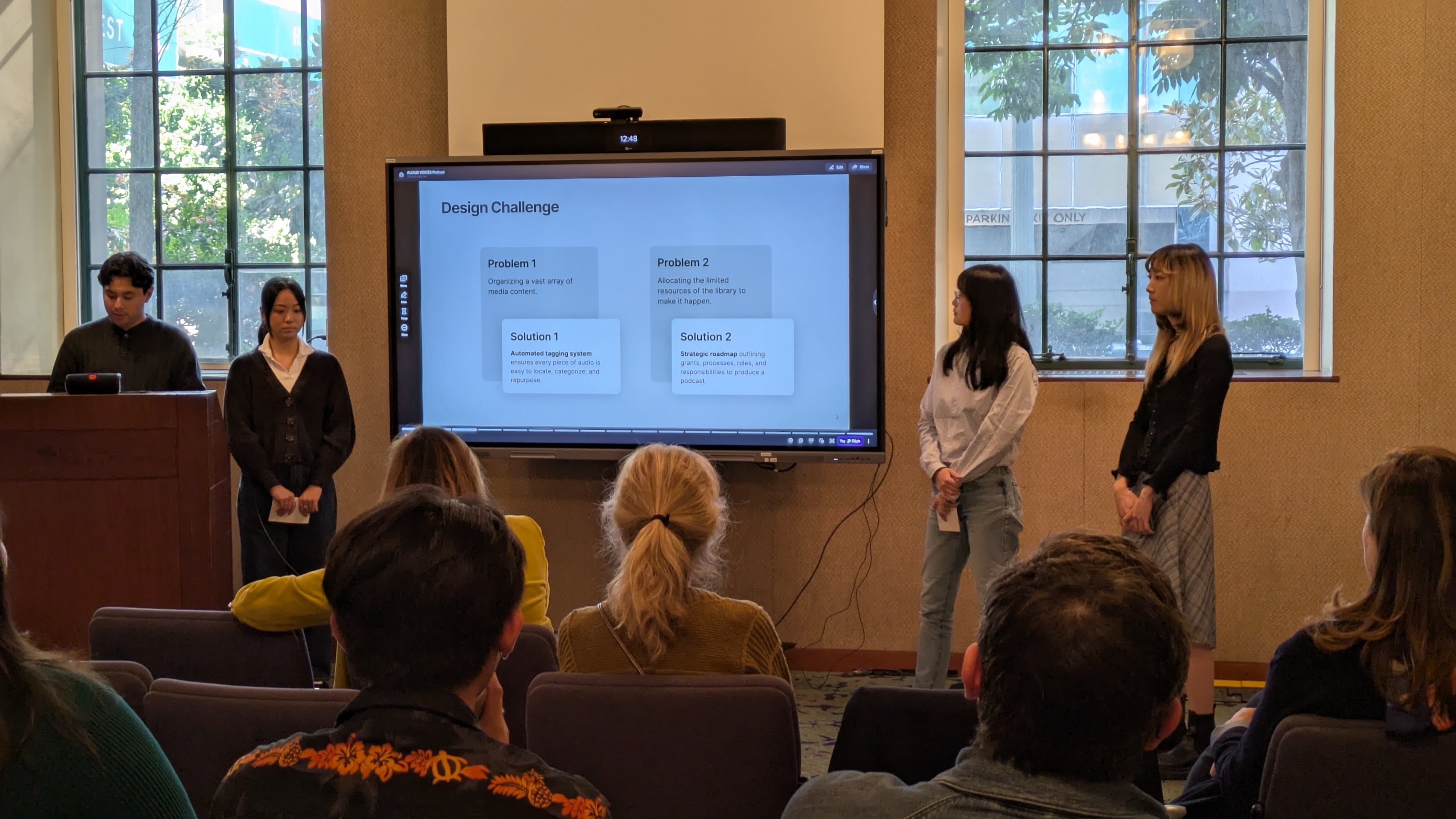
We presented out final project to the client.
06. Targeting a Different User
Understanding the LFLA user
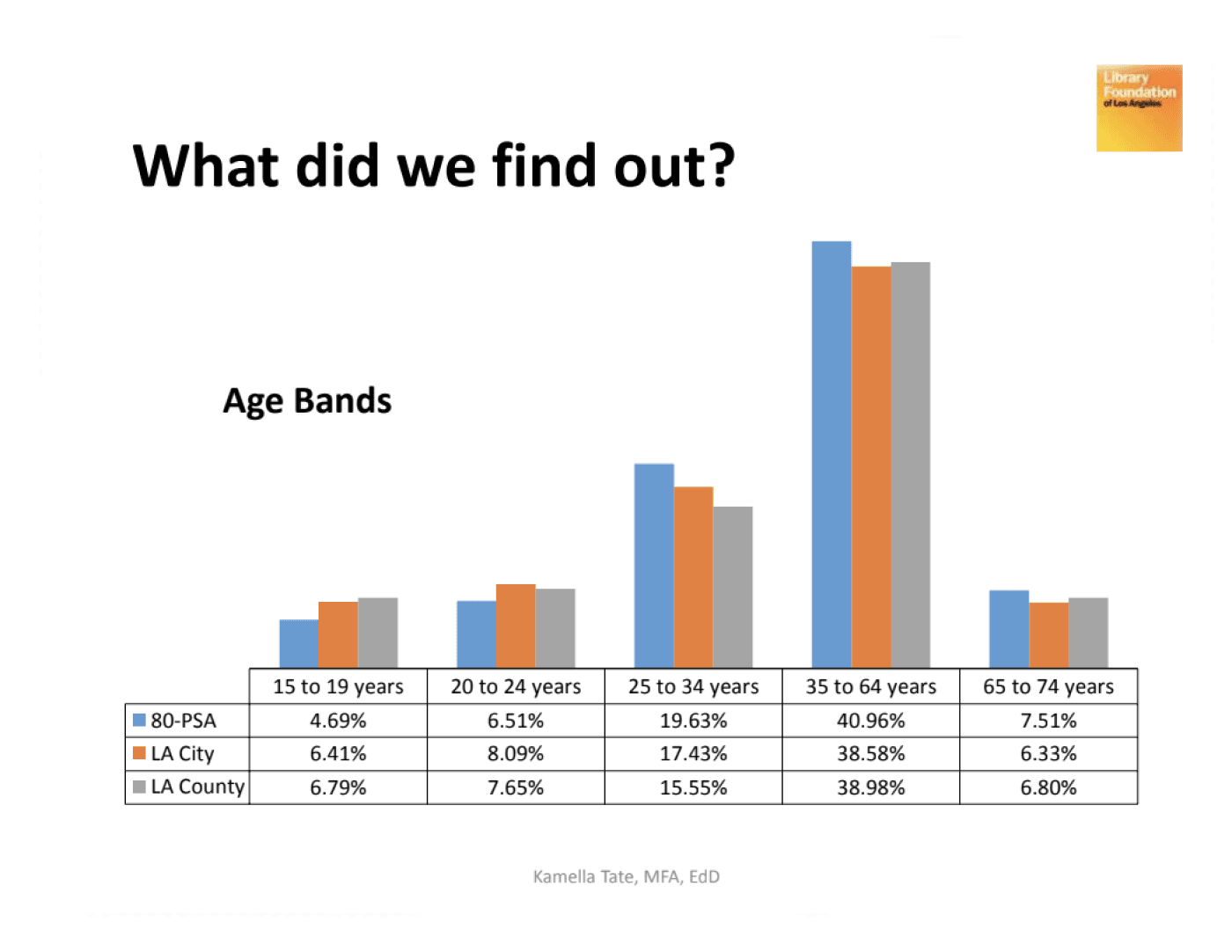
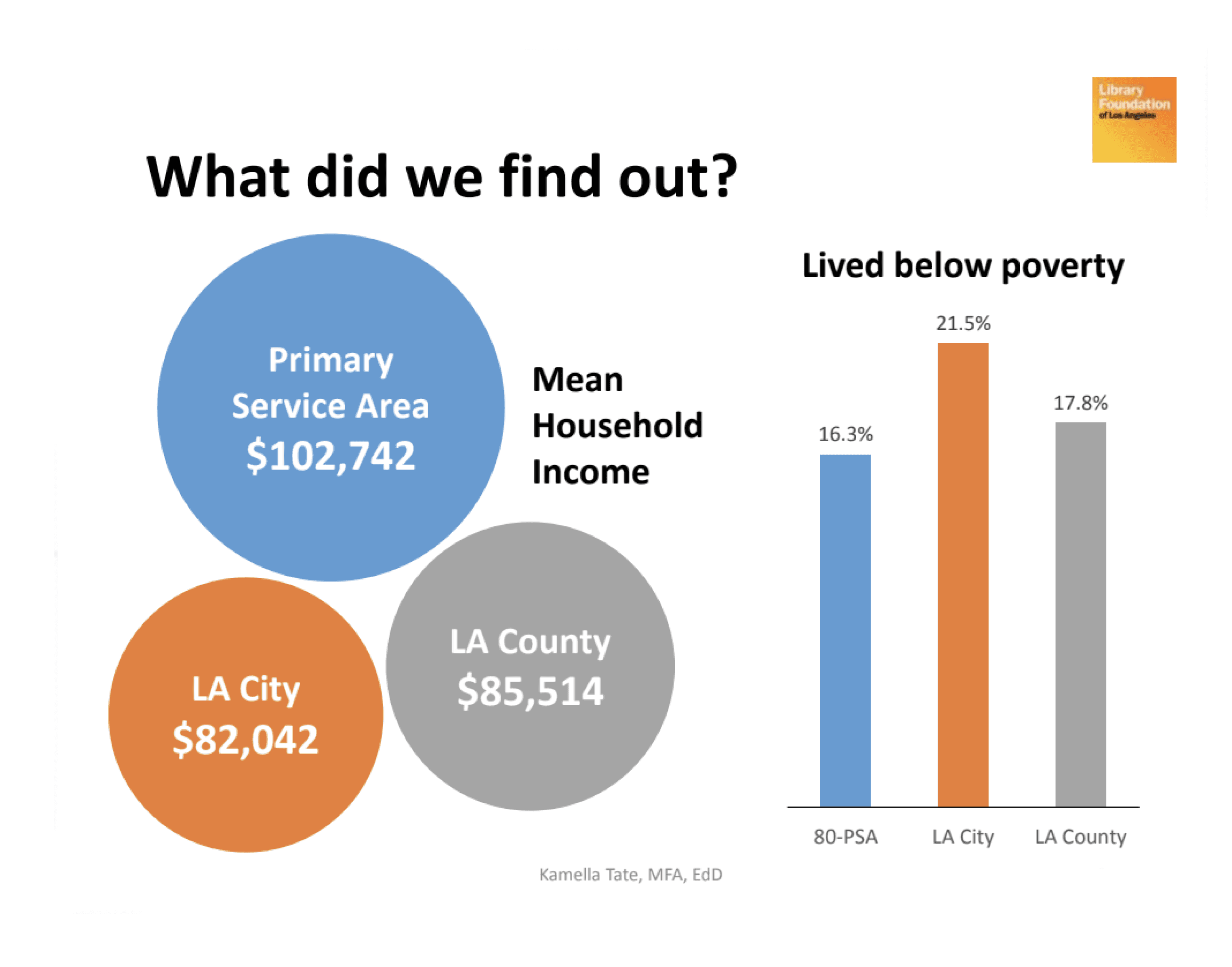
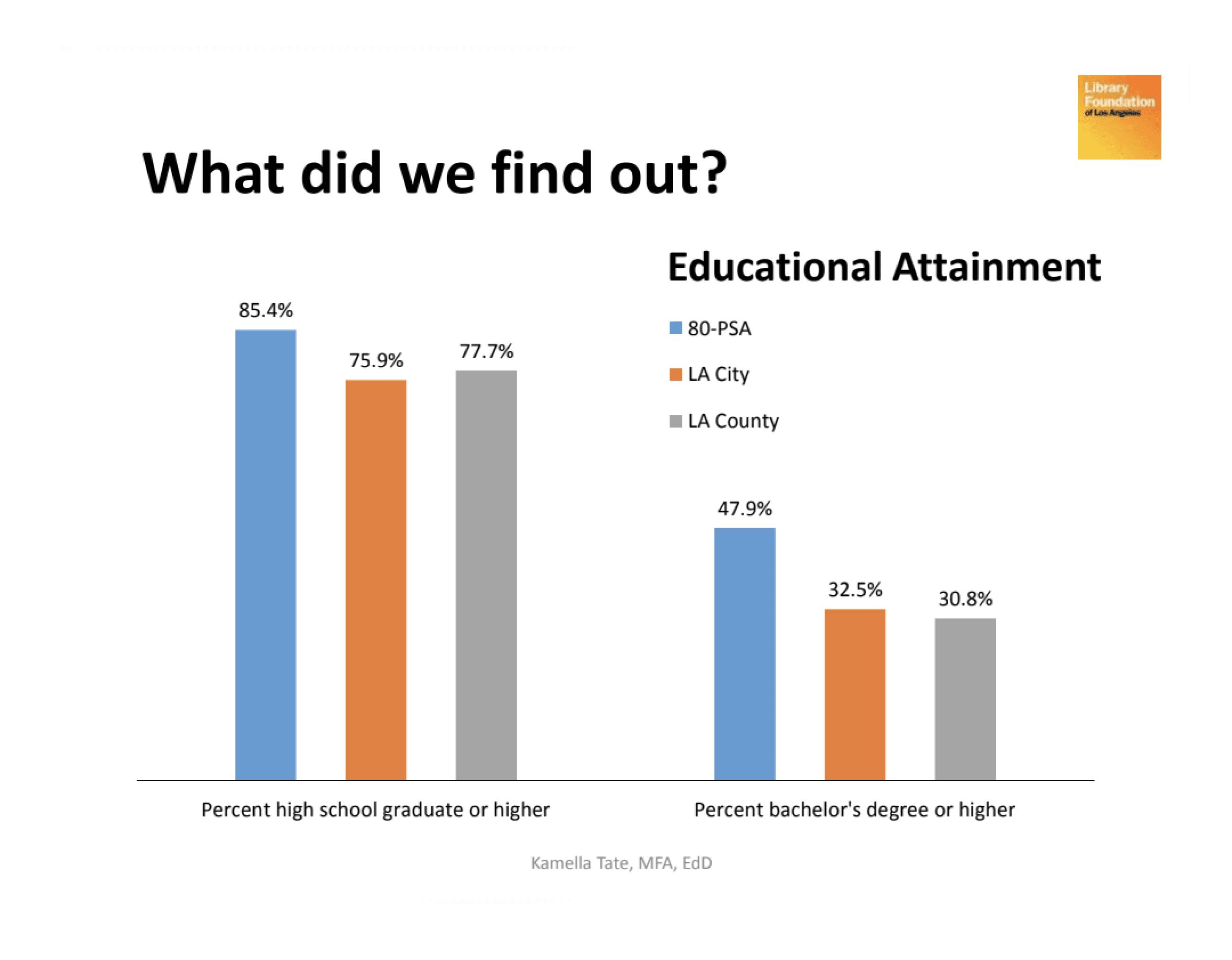
According to demographics collected from 2023, the current ALOUD Archive user is older, white, female and educated. A big ask by Library Foundation of Los Angeles was to devise a solution that would bring in a younger more diverse demographic.
07. Deepening our understanding
Subject matter expert interviews
Philip Leers - Associate Director, Digital Initiatives at Hammer Museum
Philip led the redesign of a similar media page at the Hammer Museum called the Hammer Channel. He highlighted the importance of tagging media content to improve search functionality and deliver personalized, relevant content recommendations to users.
Jorge Martinez - Aloud Program Coordinator
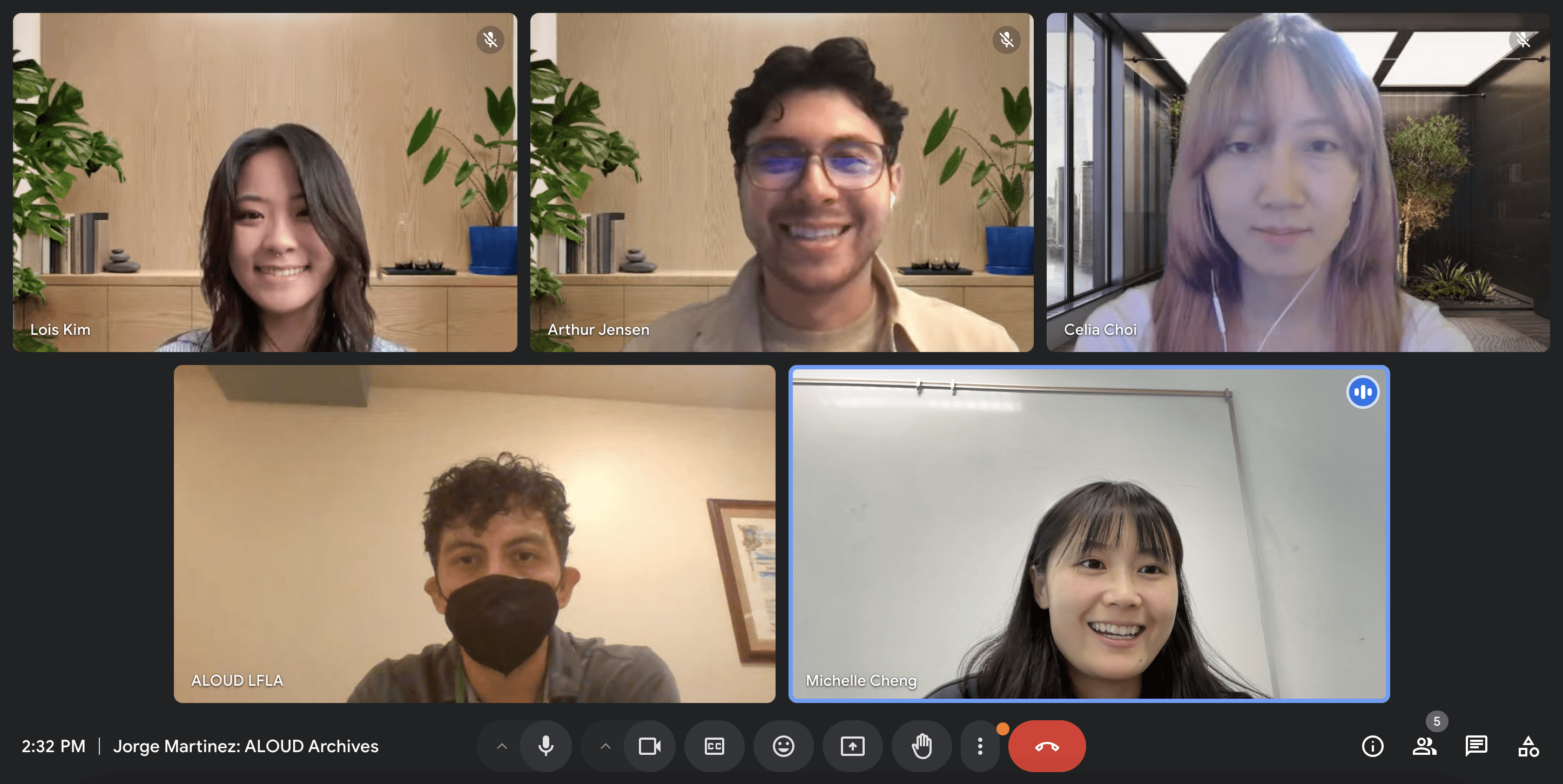
Jorge provided valuable insights into the limitations of our project proposal by explaining the current process for uploading media to the channel and the challenges posed by their existing CMS. He pointed out that there is insufficient manpower to regularly update the website, and the CMS itself is restrictive, preventing significant changes to the site's structure.
Esperanza Bey - Community Archivist
Tagging and proper metadata are crucial for making digital media accessible and searchable. Drawing from her experience in both the public and private sectors (including Netflix), she emphasized the need for careful keyword selection that reflects user needs and interests. She recommended breaking down content into themes or time-coded tags for long videos, and stressed the importance of tailoring metadata to the specific users.
08. Optima Workshop
Card sorting activity
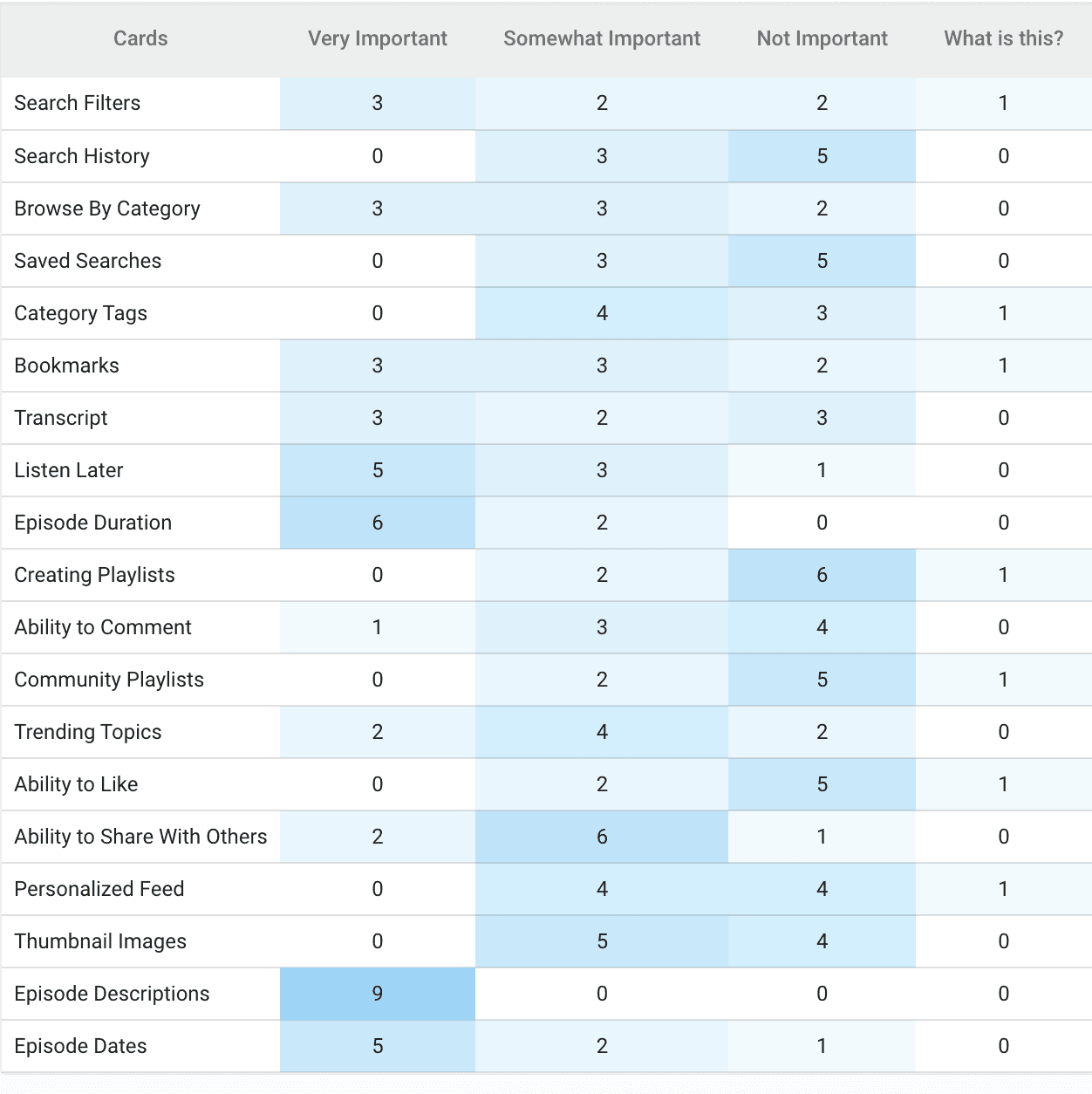
I designed a card sorting activity to understand what features users found the most valuable. The results showed that the most important feature people look for is episode descriptions.
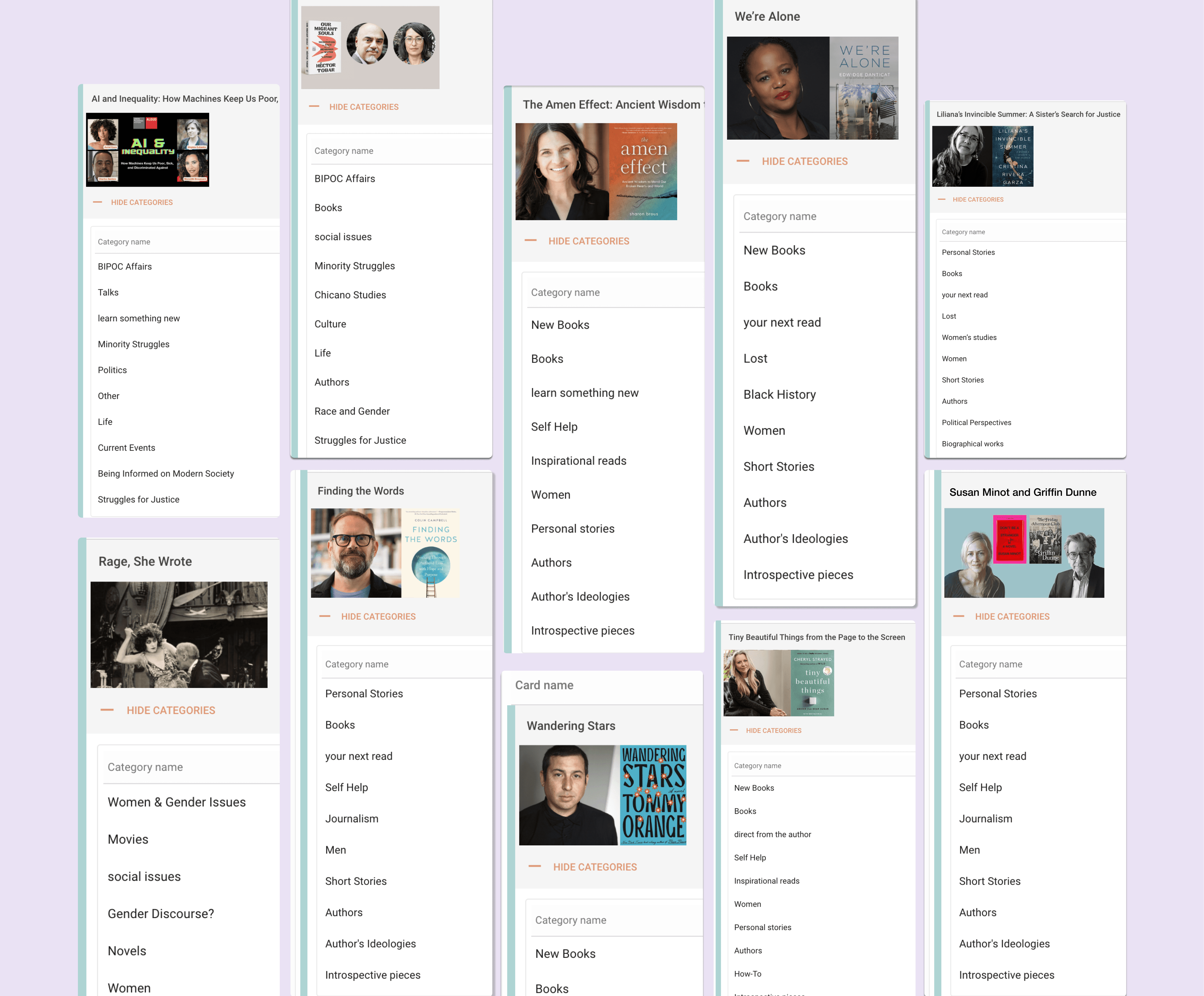
Arthur designed another card sorting activity where participants were asked to organize a selection of content based solely on the current title and thumbnail image. During the activity, we discovered that many users had difficulty grouping the content, resulting in a wide range of categories with minimal overlap. One participant even took over 30 minutes to complete the task, highlighting the challenges users faced in interpreting the content
09. Turning survey data into design priorities
Quantitative research
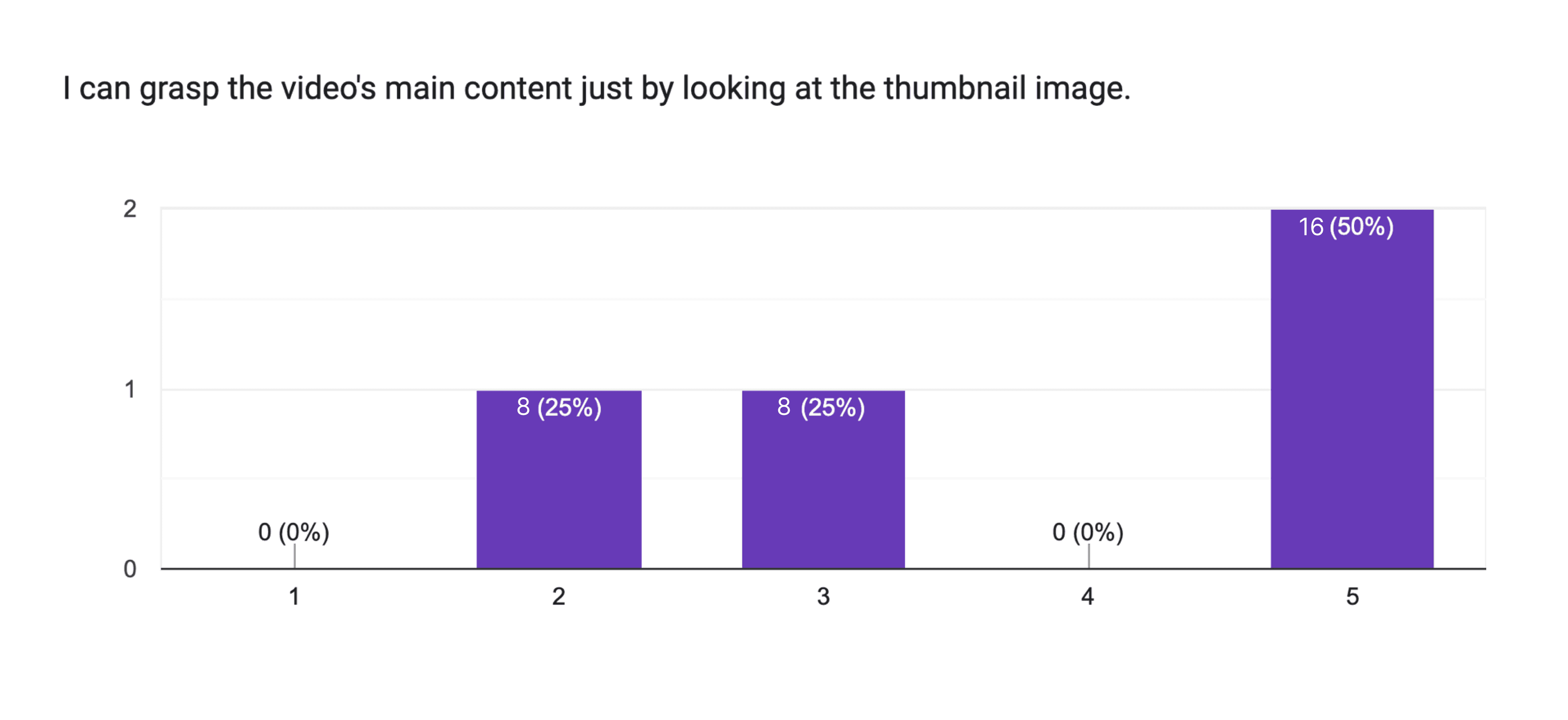
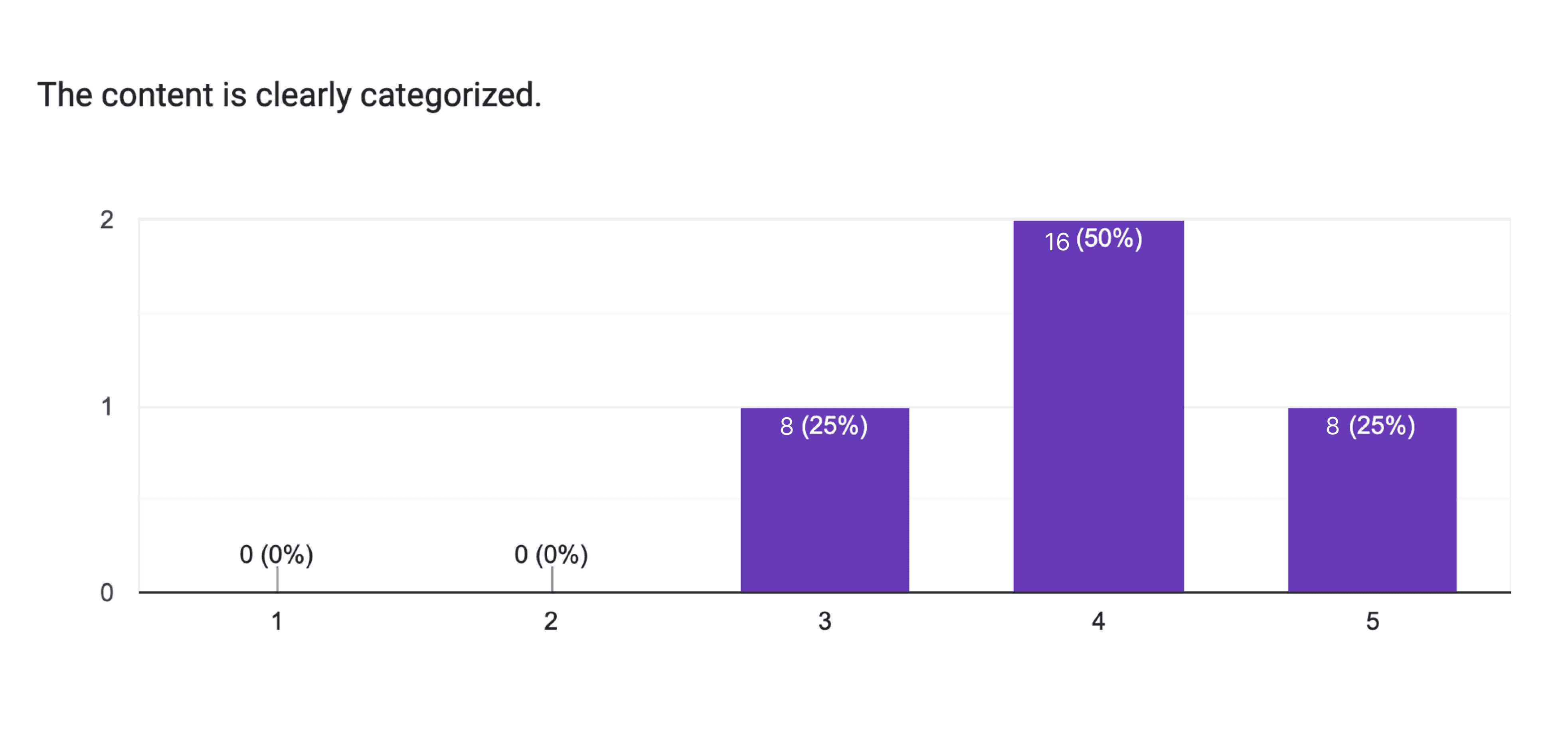
We conducted a survey with 32 users of the ALOUD Archives website and identified significant issues with how the content was organized and presented, particularly regarding the clarity of content and the layout of content cards. Based on this feedback, we aimed to develop a practical solution that would provide users with clearer context for each episode.
10. Internal tooling
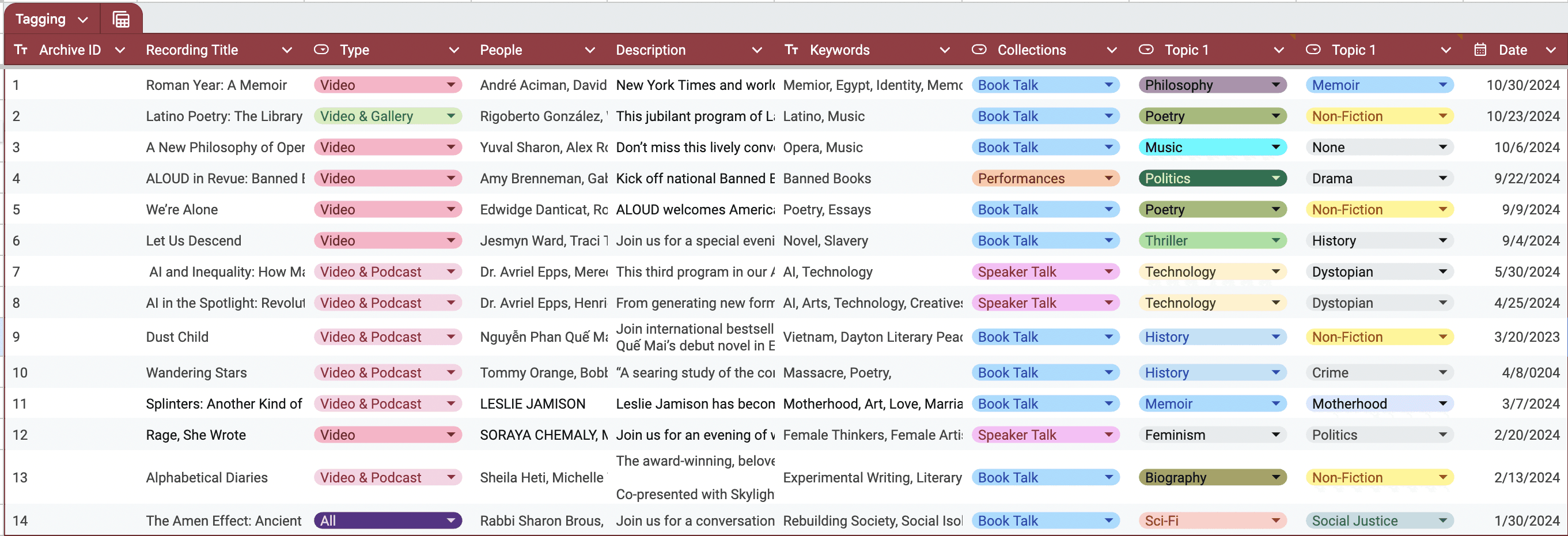
Internal systems: creating a tagging system
To streamline the process of tagging their entire catalog, we've developed a sample system using Google Sheets that breaks down each talk into its key components. By organizing the catalog in this way, we can ensure consistent and efficient tagging, making it easier to categorize and search through the content as the catalog grows.
11. Website redesign and marketing materials
Our deliverables
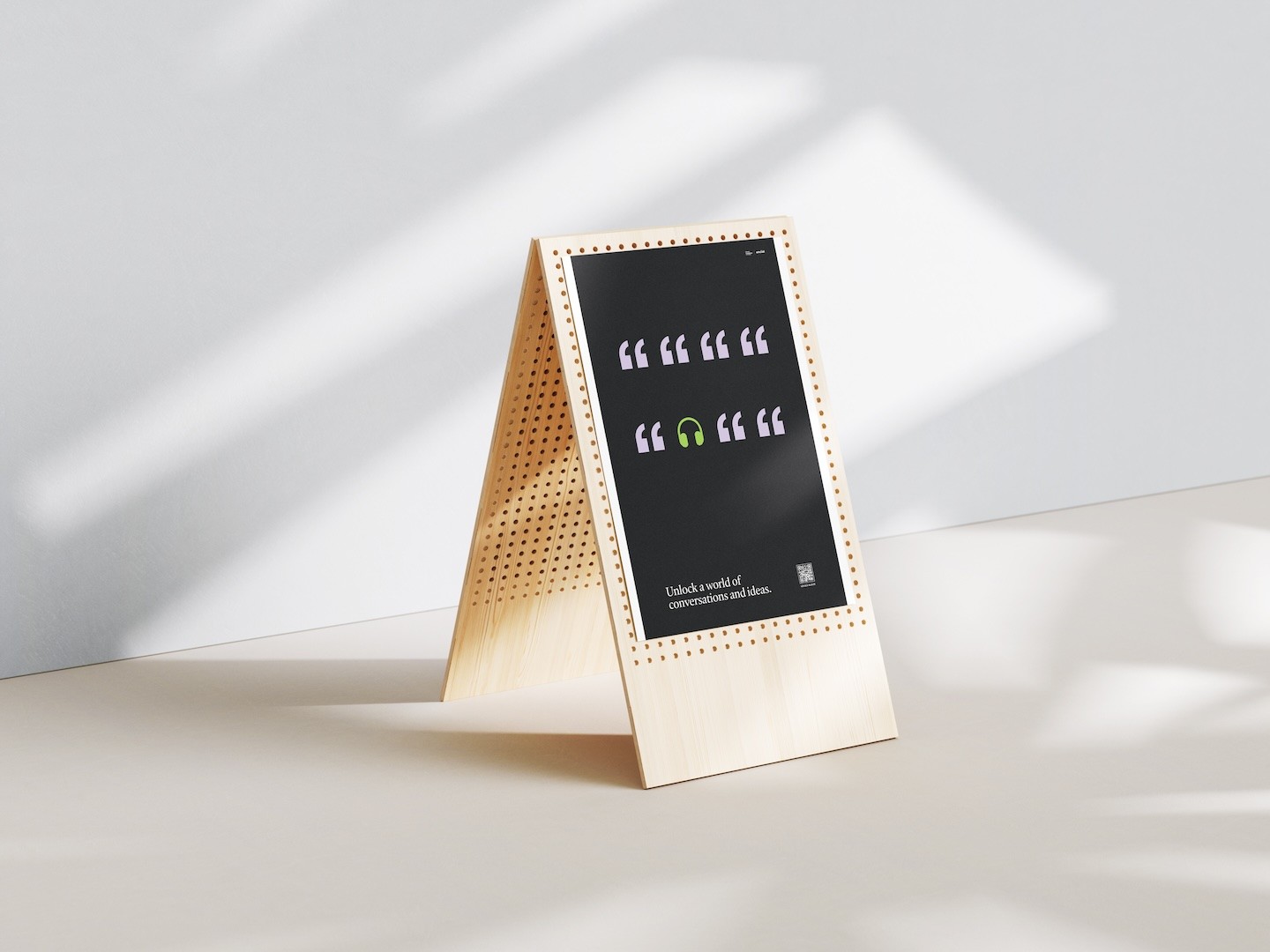
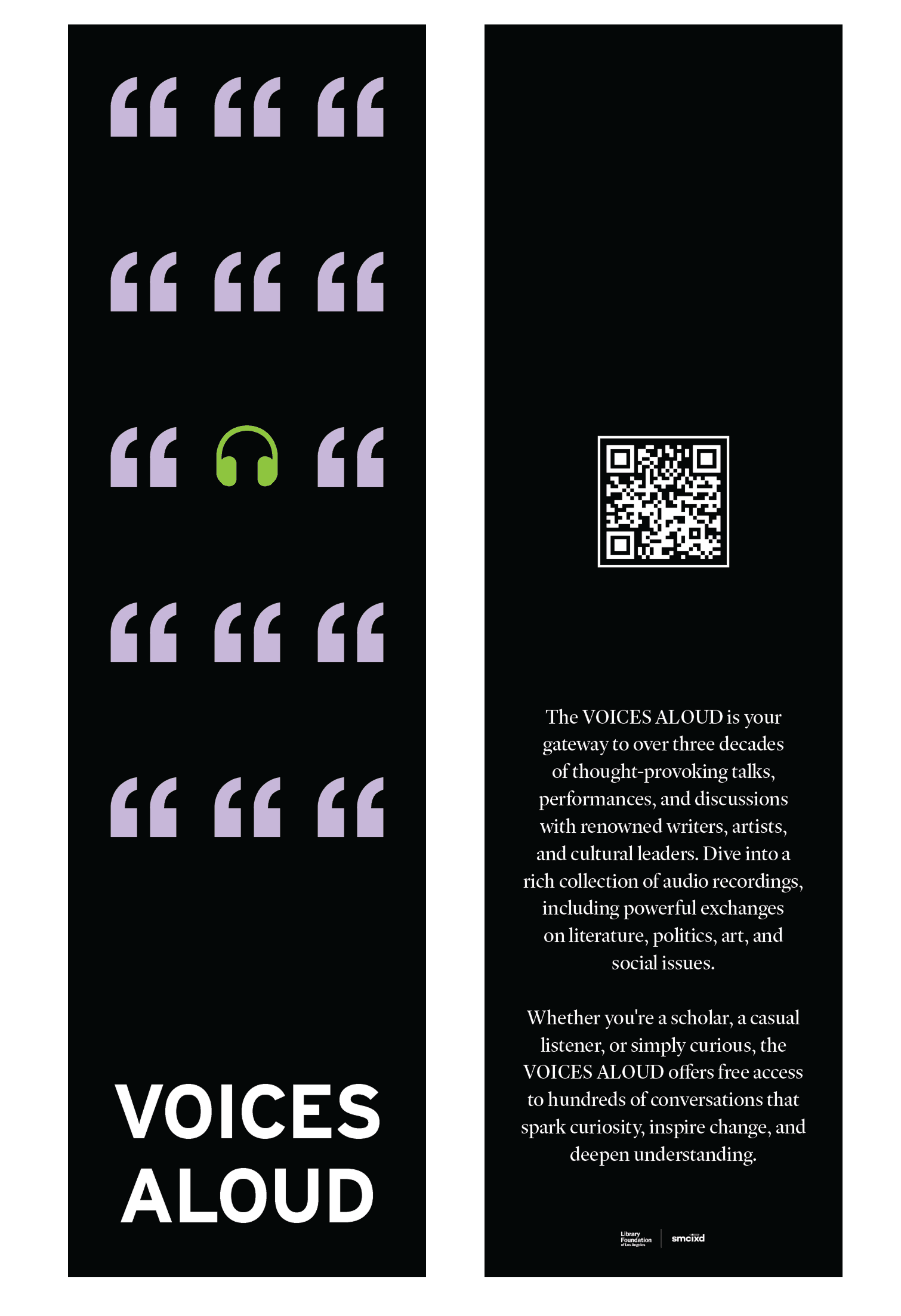
Marketing materials
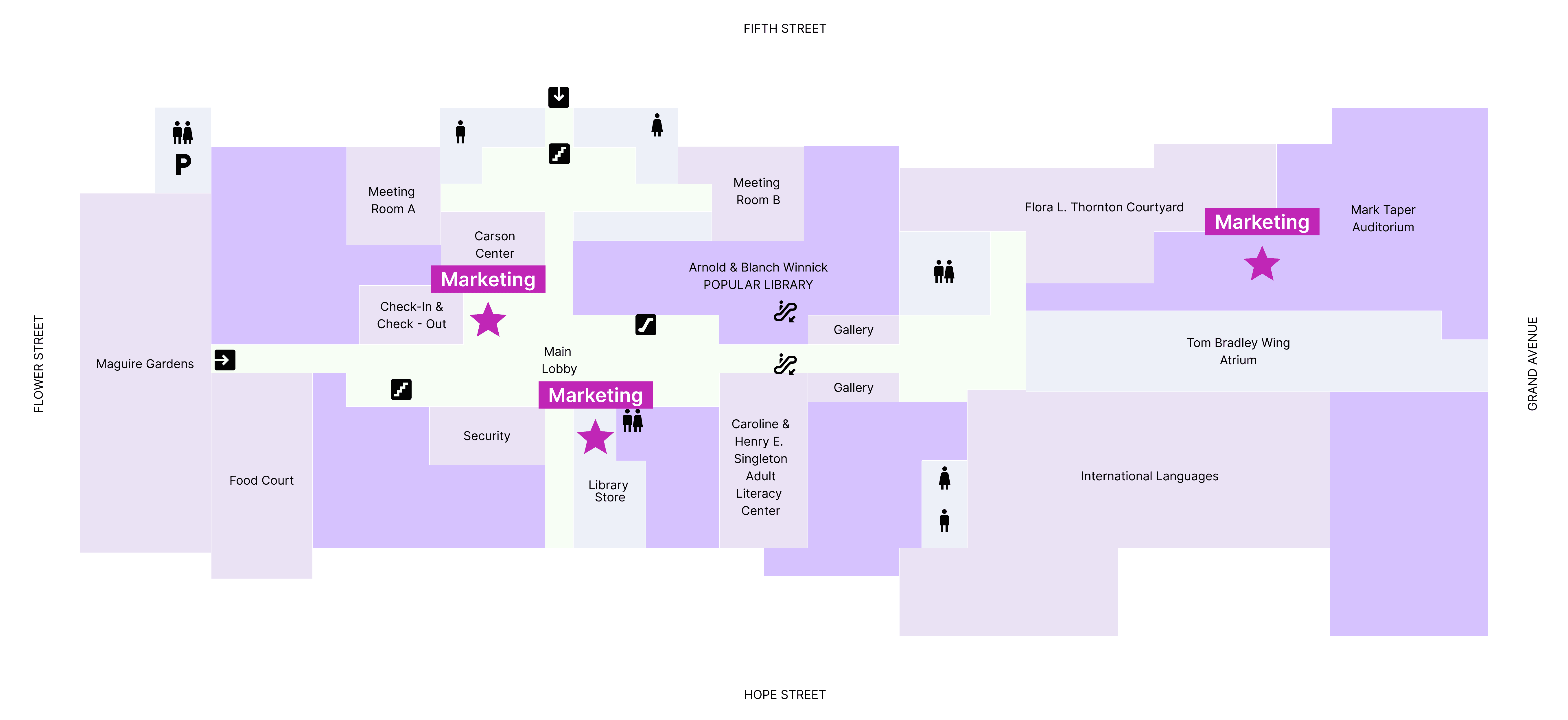
Website redesign
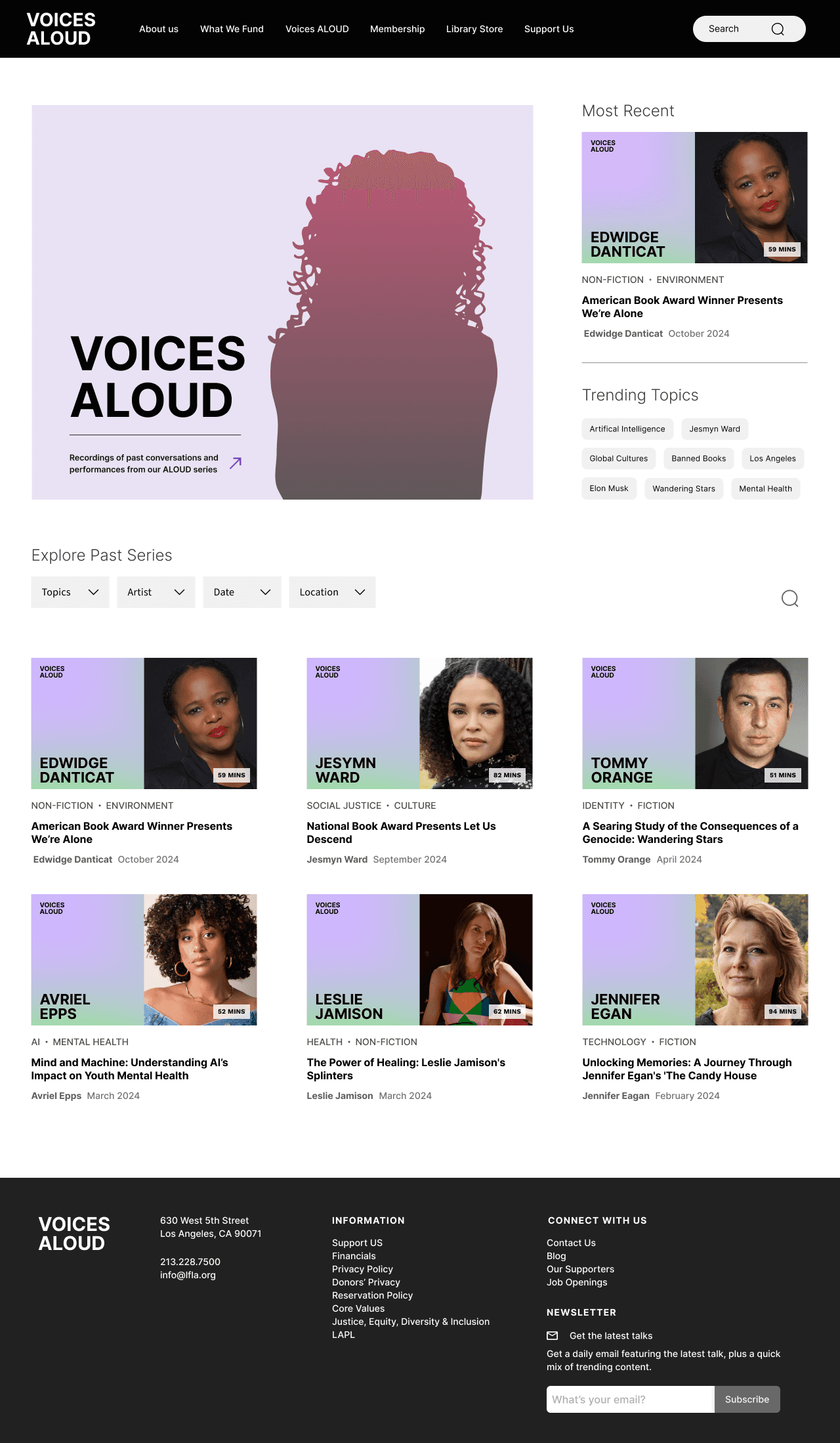
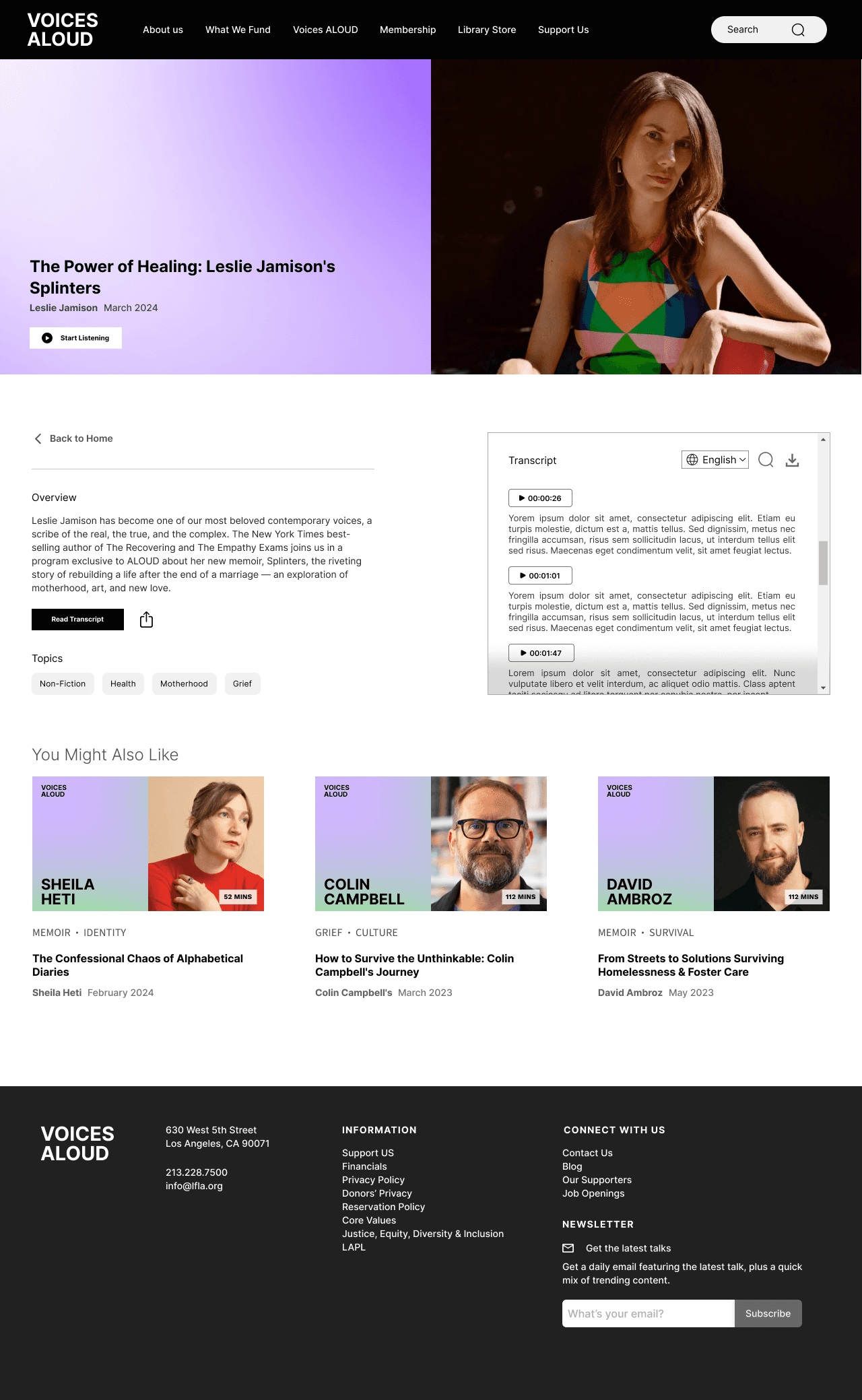
What's next?
Future considerations
If given more time, we would like to expand on the tagging system by using it to create curated playlists or content collections tailored to specific user interests. By leveraging the metadata tags, we could automatically group related content into thematic playlists, making it easier for users to discover relevant material. This would not only enhance the user experience by providing a more personalized and targeted approach, but it would also encourage deeper engagement with the content. Additionally, personalized playlists could be dynamically updated based on user behavior, preferences, or trending topics, ensuring that users always have fresh, relevant content at their fingertips. This feature would help transform the platform from a simple search tool to a more interactive, content-driven experience.
13. Embracing Feedback
Retrospective
Client needs are always evolving, and our team, in particular, experienced a lot of shifts in direction. Initially, the client wanted us to explore physical solutions like posters and bookmarks to promote the ALOUD Archives webpage, and there was also talks on them wanting us to explore a podcast. In the end we were able to come together and deliver an impactful solution for them.
