BMW Designworks
Read more
The Challenge
In a world of constant distraction and fragmented attention, families increasingly spend less quality time together. Autonomous vehicles offer a new kind of space—but how can we design that space to enable connection?
Solution
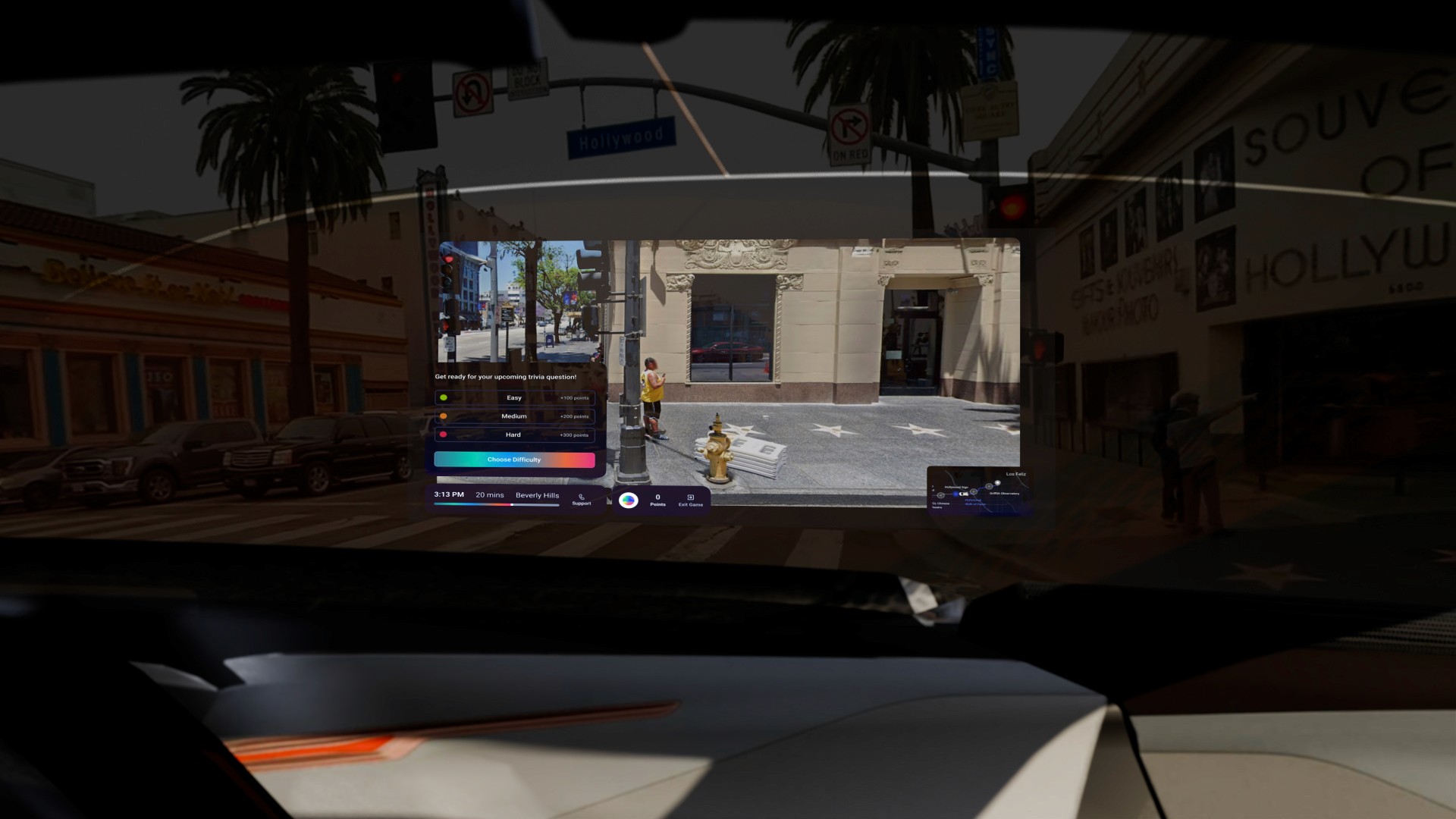
Gozo is a speculative augmented reality experience designed for an on-demand autonomous vehicle service. The goal was to explore how future mobility can foster meaningful in-car interactions instead of isolated, screen-heavy travel. Set in the near future, Gozo transforms the car ride into a shared, playful space through an AR trivia game that activates questions based on real-world landmarks, inviting passengers—especially families—to connect, learn, and bond.
Role
Experience Designer
Industry
Automotive
Timeline
February 2025 - April 2025
Team
Birgess Weston
Arthur Jensen
Lois Kim
Tools
Blender
Adobe After Effects
Adobe Illustrator
Figma
We worked with BWM Design works to collaborate on a speculative design project
Gozo
A prototype of Gozo featuring three trivia questions centered on iconic Los Angeles landmarks: the Griffith Observatory, the Hollywood Sign, and the Hollywood Walk of Fame.
See prototype
02. Design challenge
How might we use AR to transform autonomous rideshare travel into meaningful opportunities for connection?
03. Project goals
What I led
Proposed using location-based AR gameplay to spark interaction between passengers. The concept helped shape our project’s direction.Help translate the concept into a high-fidelity prototype in Figma, designing interactive screens that mapped to key user flows including onboarding, gameplay, and post-ride engagement.
04. Target user
Who we are helping
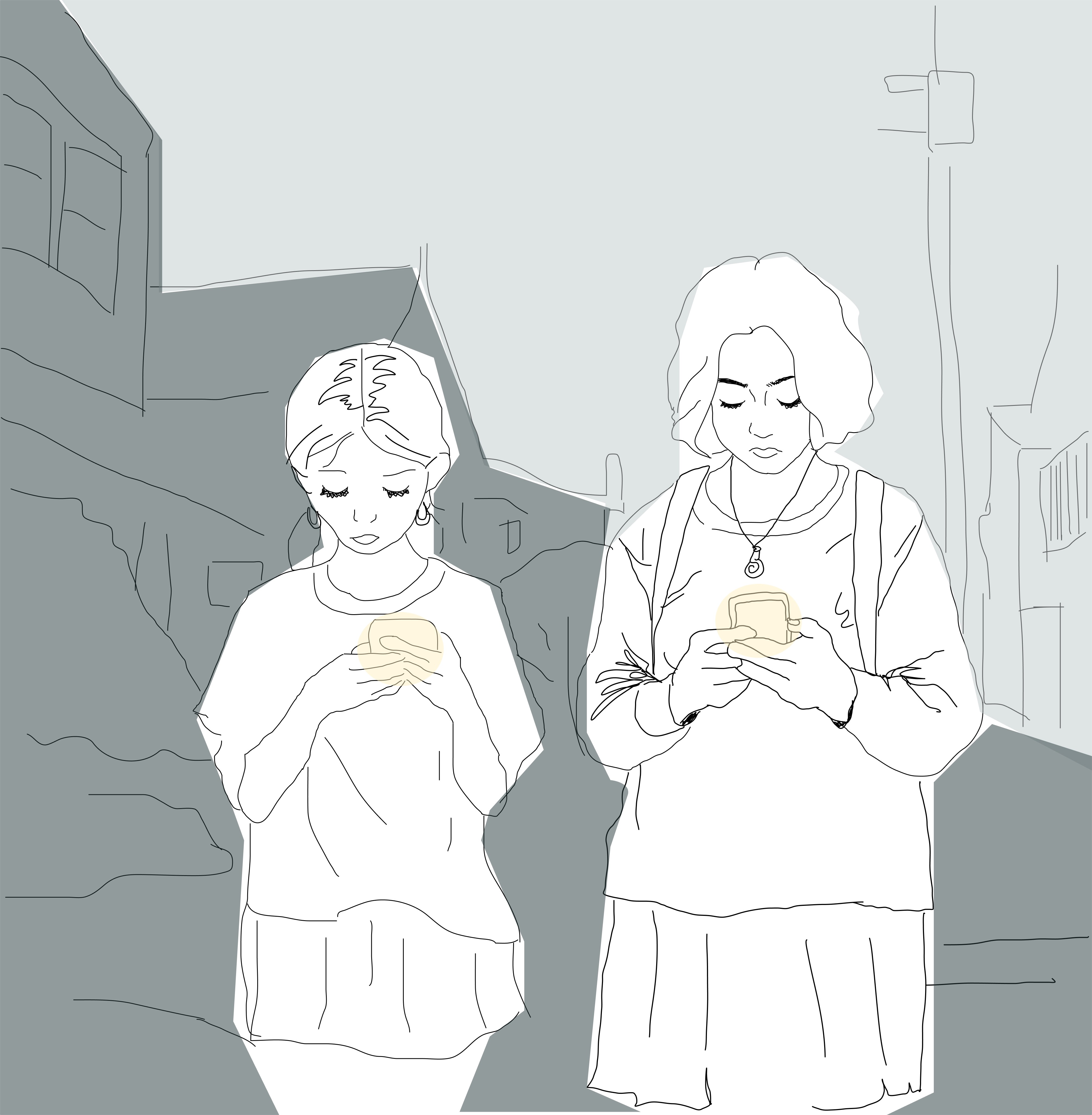
Meet Mia, a 39-year-old single mother who works as a nurse in Los Angeles. She struggles with balancing her demanding job and finding meaningful time to spend with her 12-year-old daughter, Farah.

05. Design process
Exploring multiple solutions
We aimed to redefine what a vehicle could become by harnessing the potential of augmented reality.
1
Understanding the current AV market
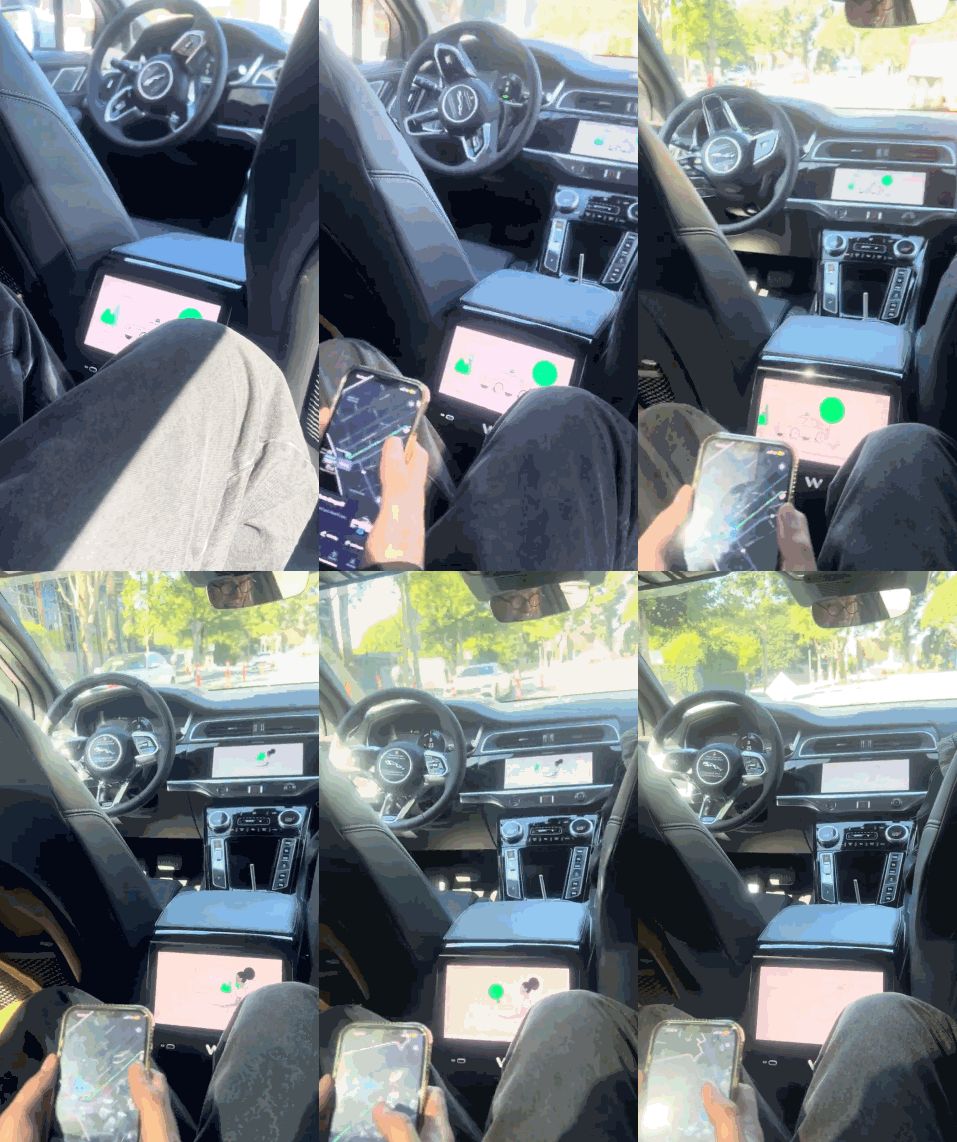
We used the Waymo app to book a trip from the Center for Media and Design to the Downtown Santa Monica Trader Joe's. While the mid-trip experience was exceptionally smooth, we identified significant friction points during the pickup and drop-off phases where the vehicle struggled with precise positioning
2
Desktop research
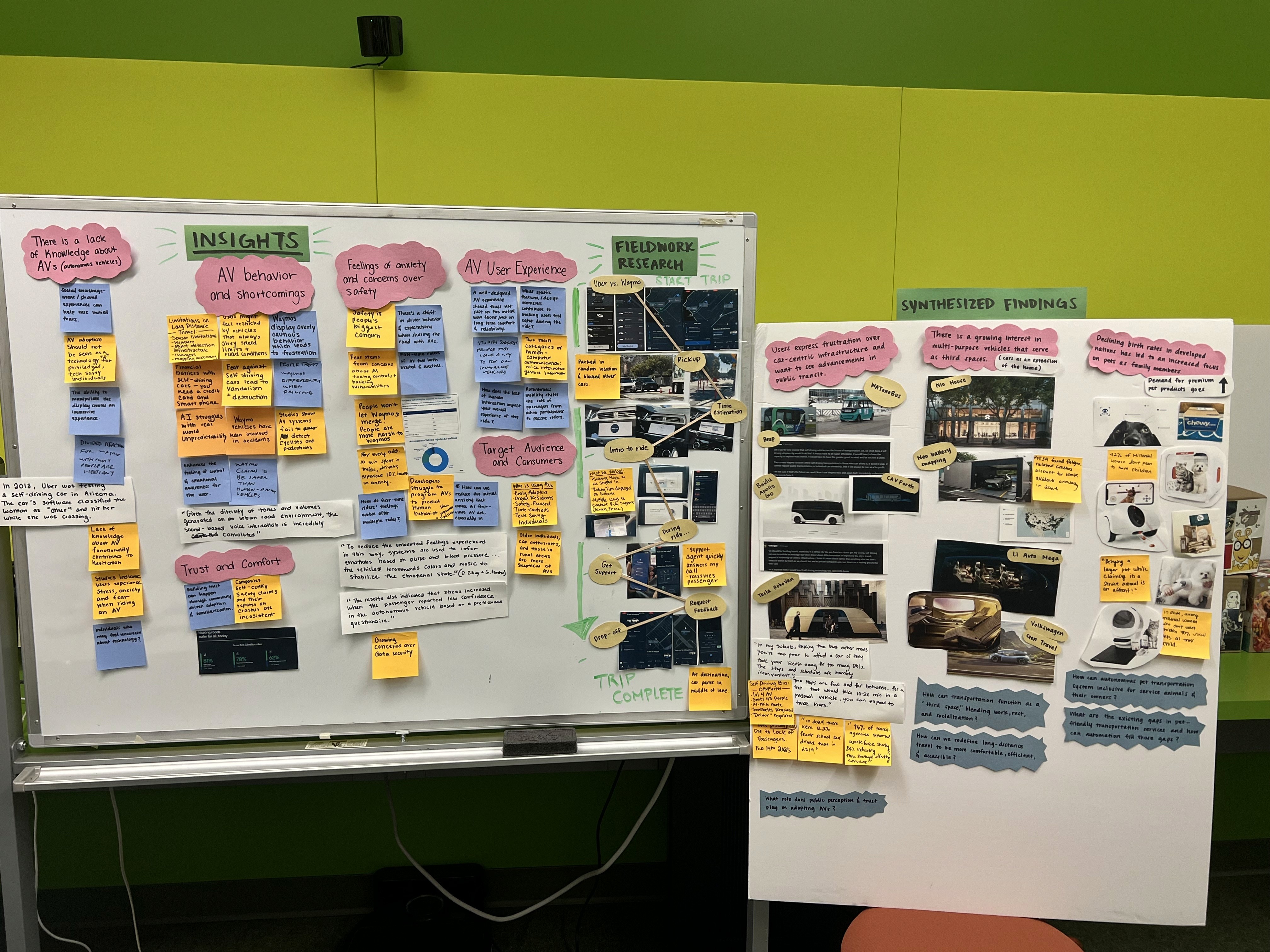
Before settling on a topic, we conducted user interviews and desktop research to understand the current landscape of autonomous vehicles.
3
Discovering a concept
We proposed two concepts to the BMW team.1. Gozo: Strengthening Bonds Between Single Moms and their children. 2. Kizuna: Supporting single moms on the go as a babysitting service
4
Service blueprint
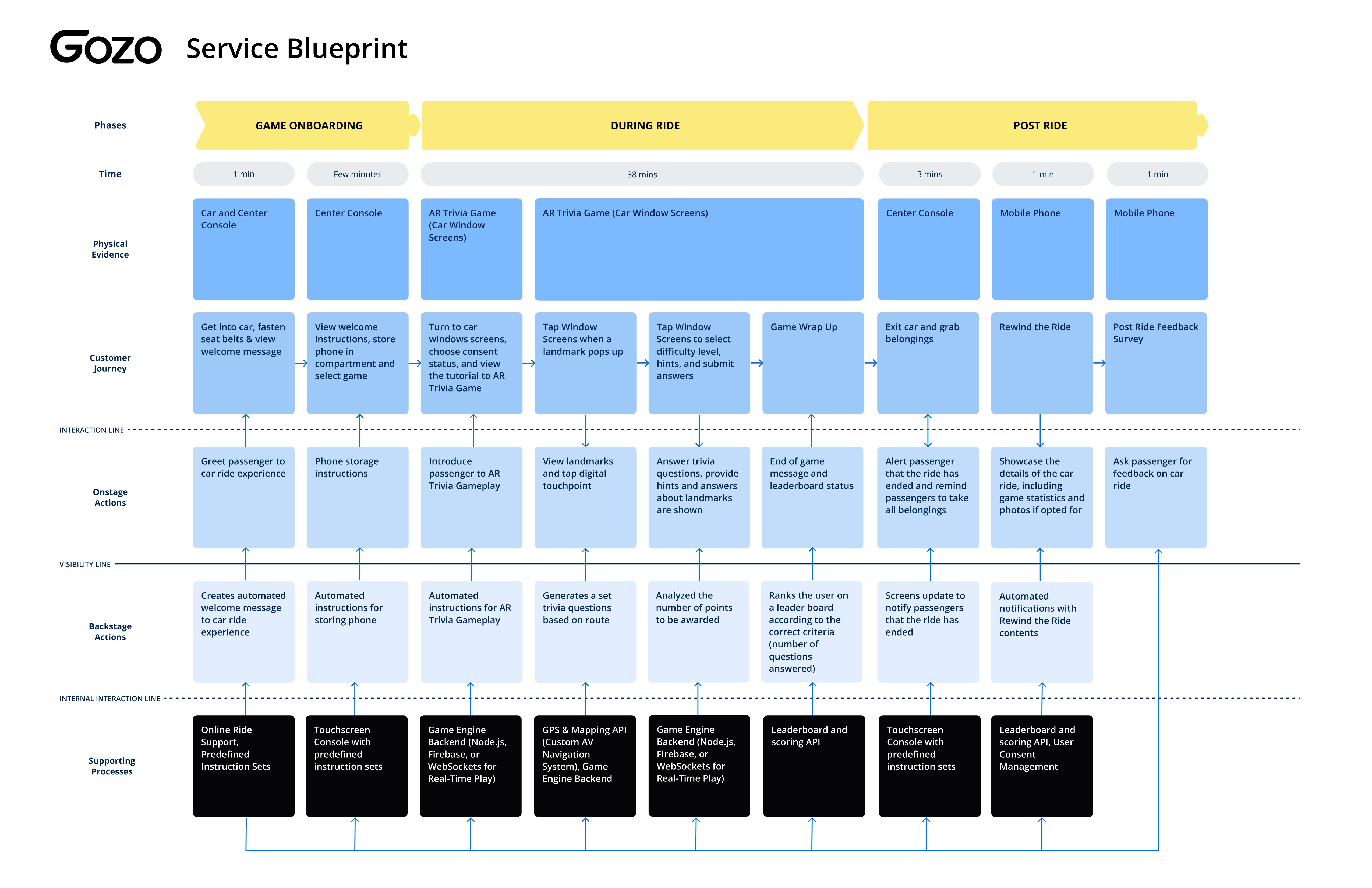
We used a service blueprint to map the full user journey alongside technical and operational touchpoints, which helped identify gaps and ensure a seamless experience from booking to drop-off.
5
Usability testing
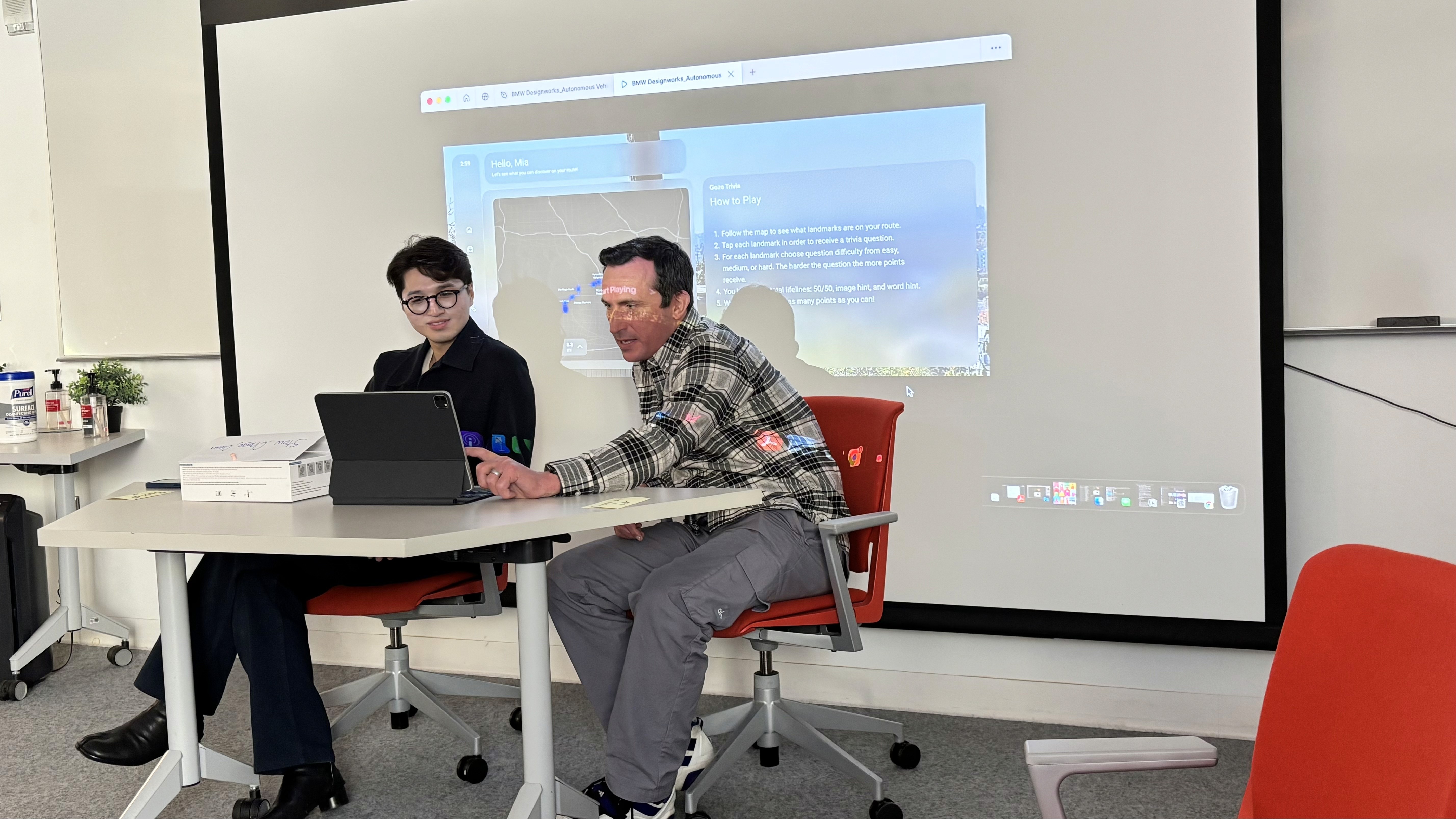
We conducted 15-minute usability tests with over 10 groups of two to evaluate the Gozo prototype, focusing on task completion, ease of navigation, and user interaction. Insights gathered through structured tasks and follow-up questions informed key design improvements and validated core user flows.
6
The final presentation
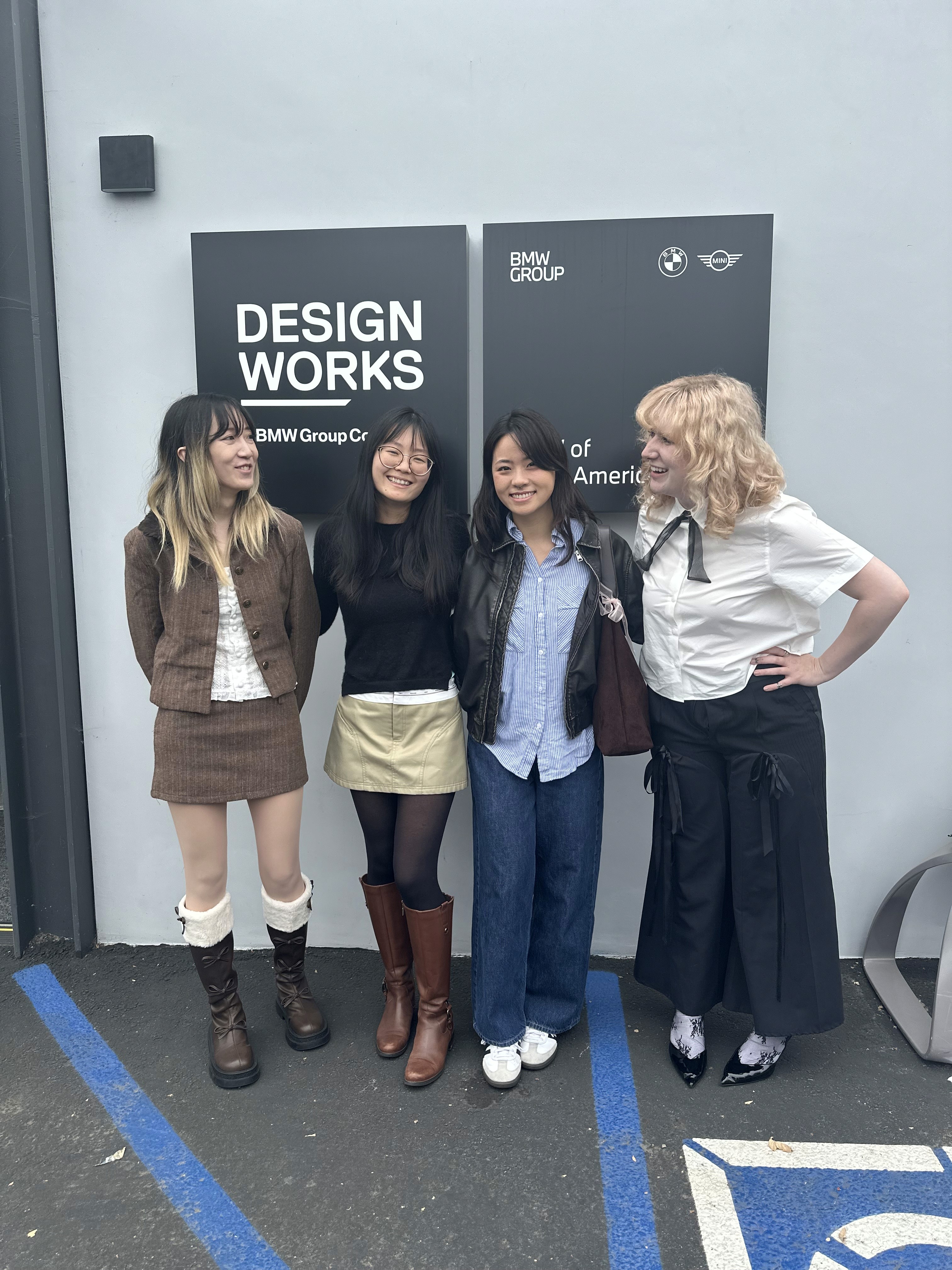
We presented our vision video and full prototype to the BMW team.
06. Seamless digital touch points
Our proposal
We designed an experience that connects multiple digital and physical touchpoints.
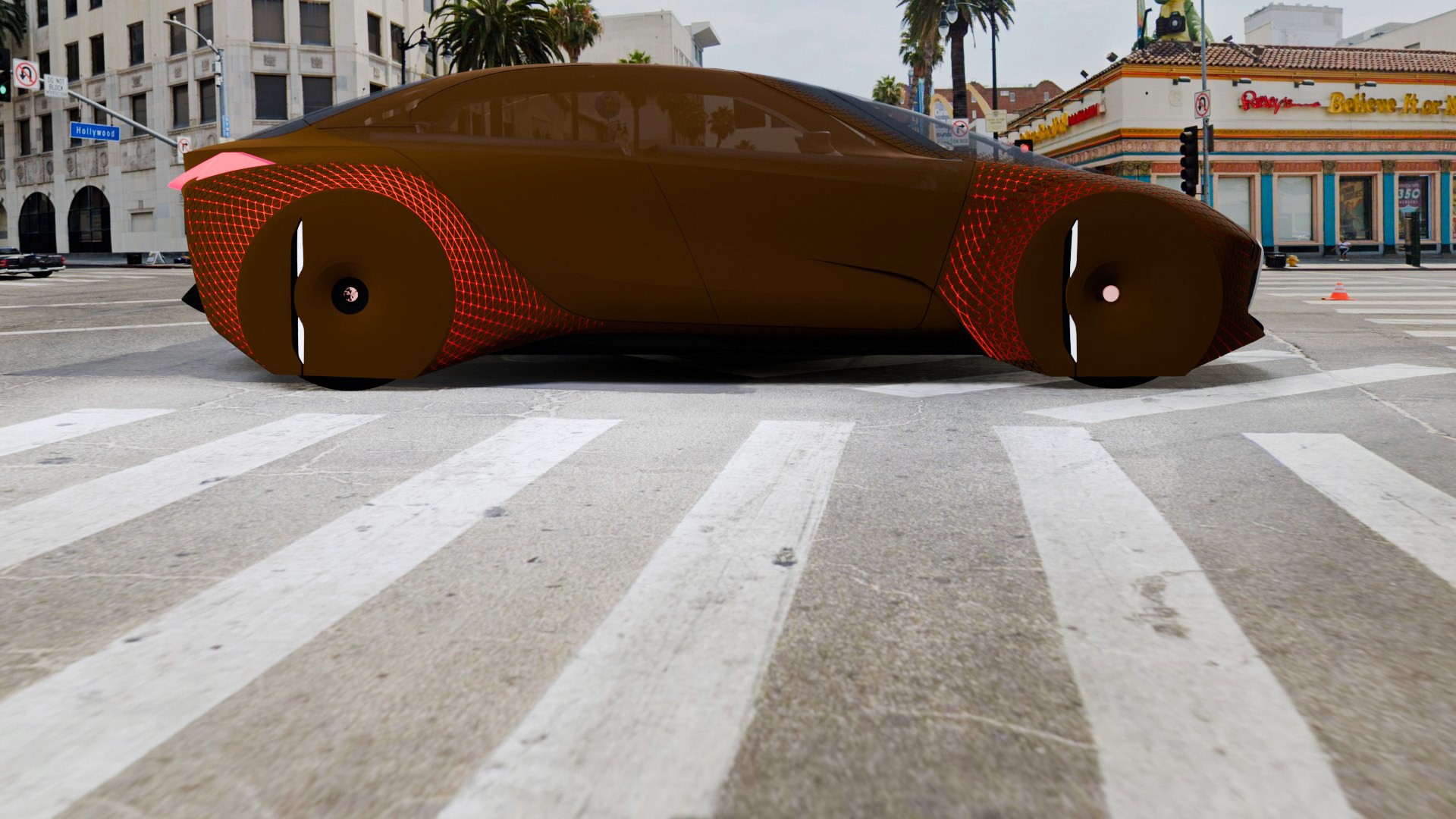
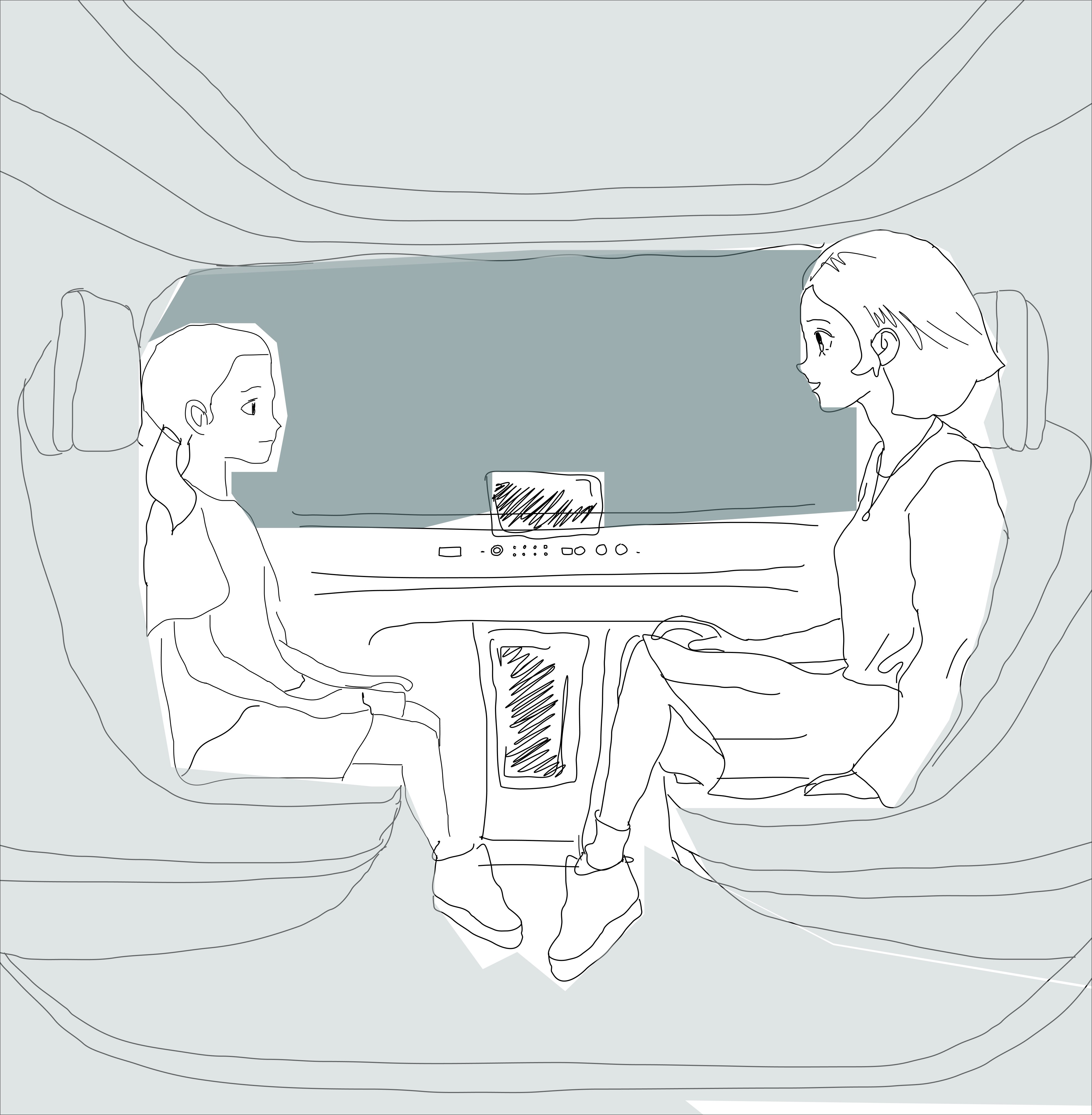
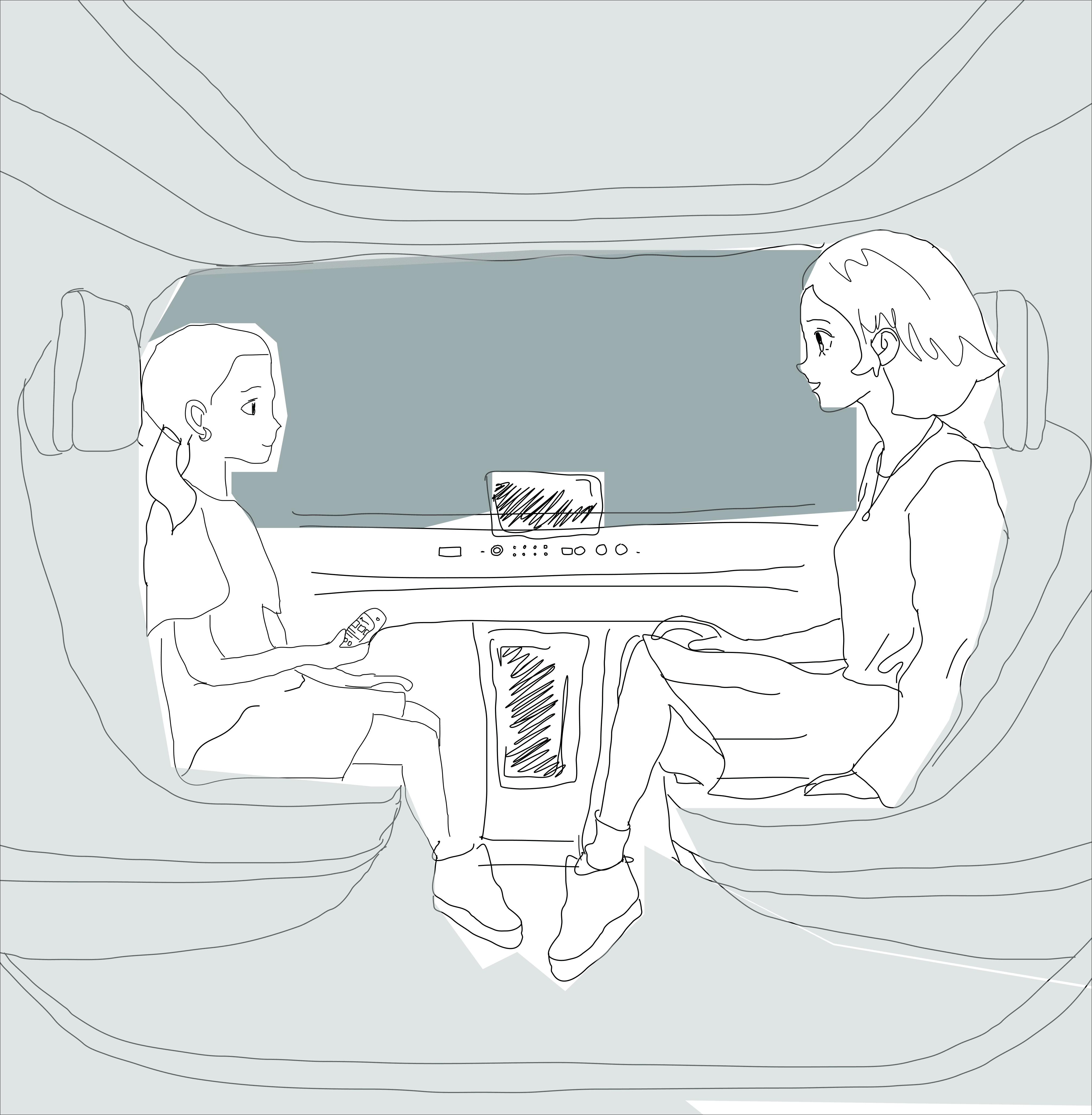
Car Interior Design: The campfire seating configuration fosters a sense of connection by positioning passengers to face one another, encouraging natural conversation during the ride.
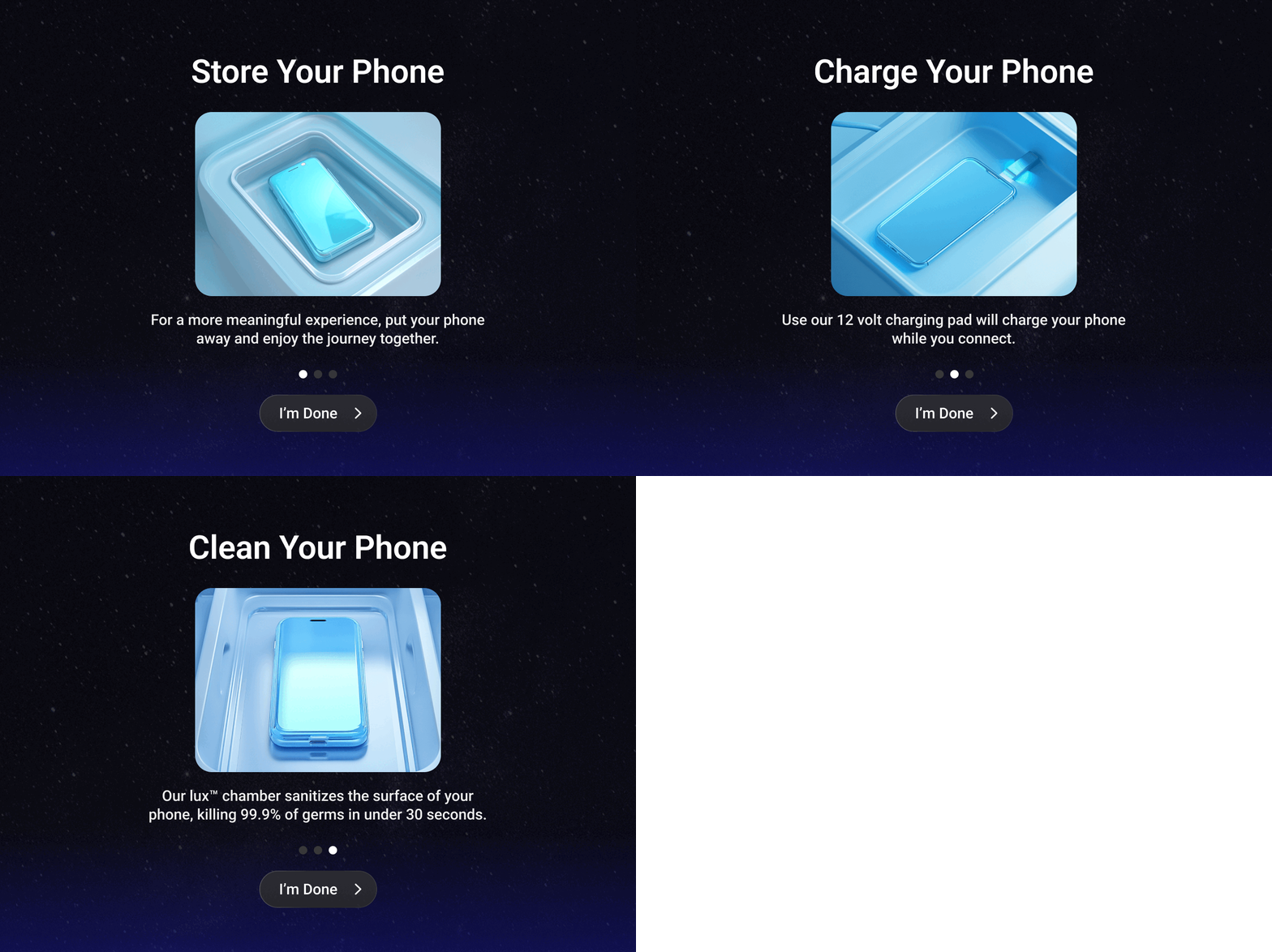
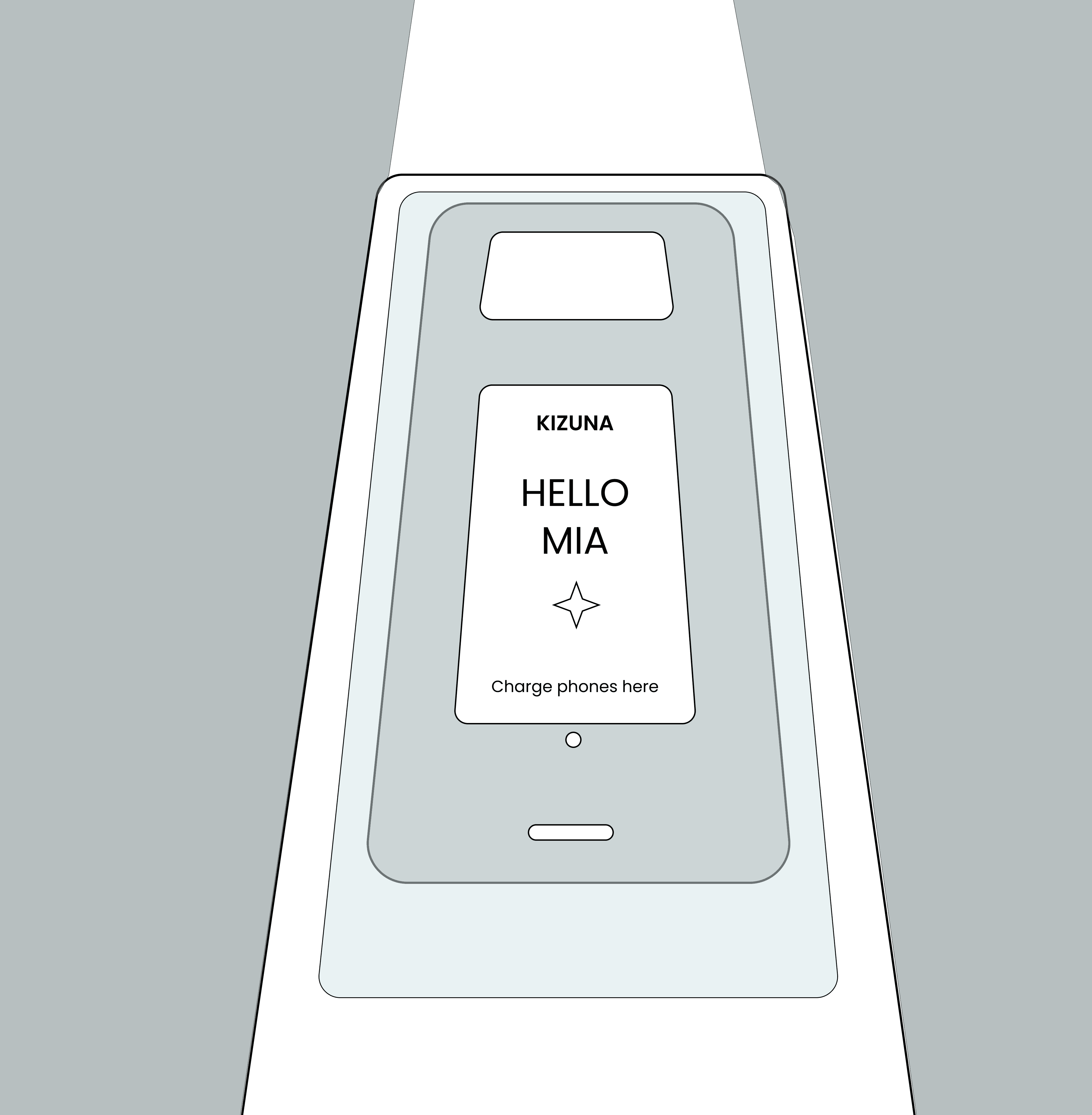
Main Dashboard: Passengers can personalize their ride using the central console to play collaborative games like Gozo Trivia or view a real-time map of their journey. Designed to promote a phone-free experience, the console also features a dedicated compartment that charges, sanitizes, and securely stores personal devices.
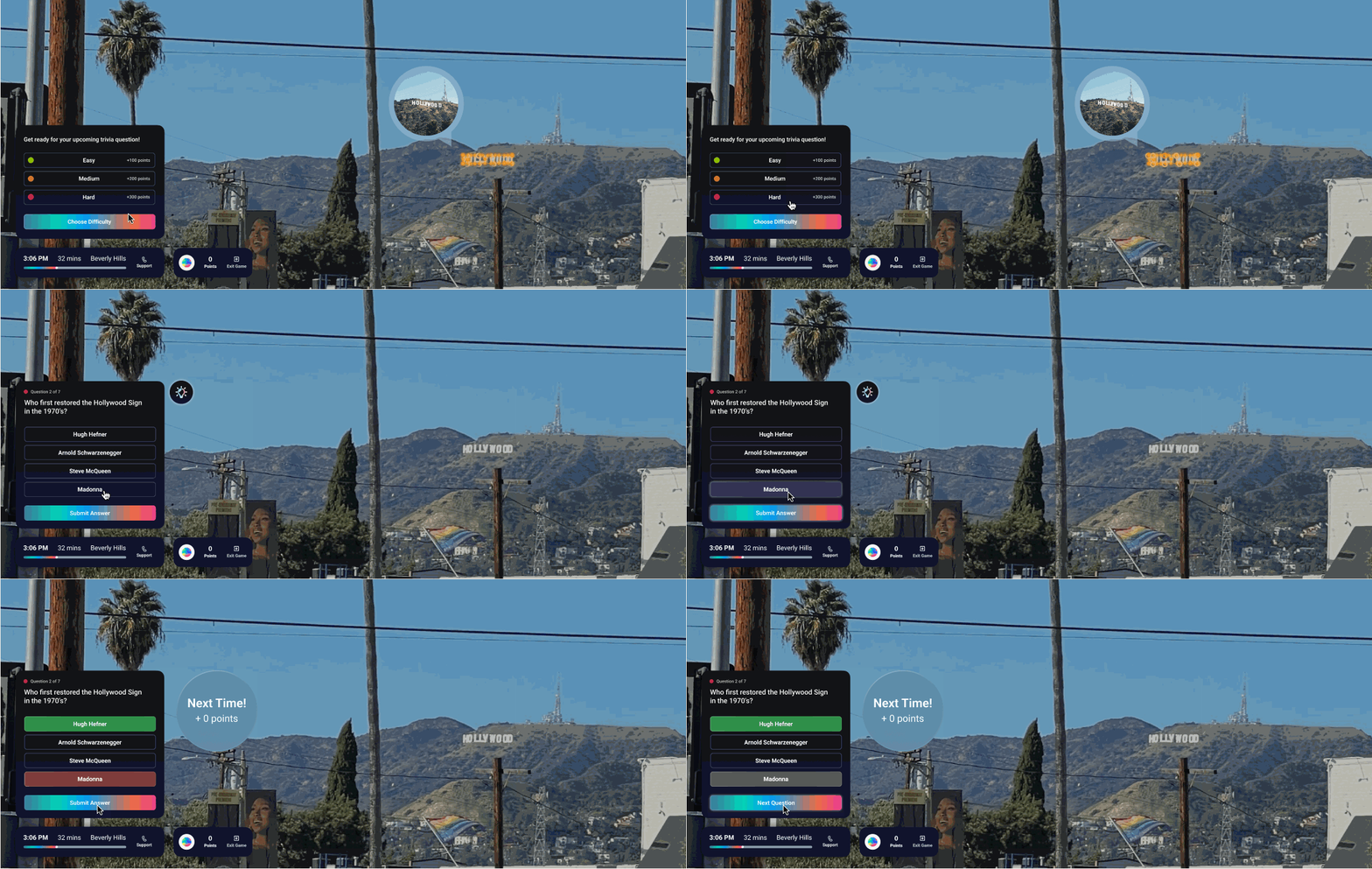
Gozo Triva AR Experience: An AR game designed to spark connection by guiding passengers to collaboratively answer trivia questions based on real-world landmarks along their route.
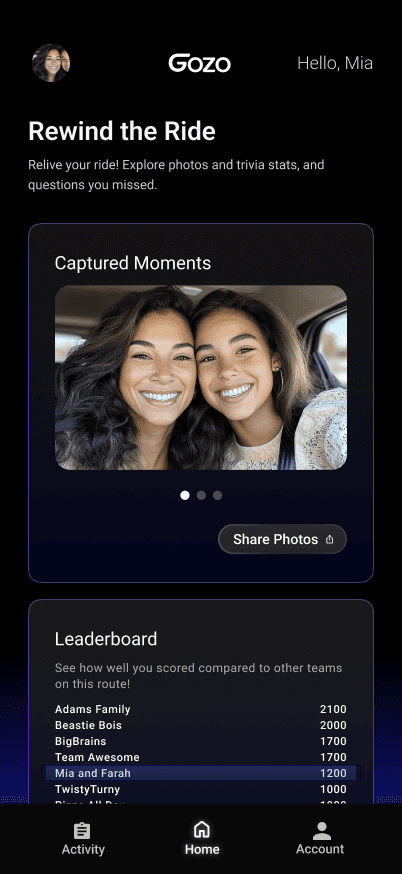
Rewind the Ride: This feature offers a fun way to relive the ride experience, viewable directly through the user's mobile app
07. Desktop research
A deep need for connection
We discovered a deep desire for connection among modern families. Through our research, we found a clear disconnect between how much families value their time together and how much time they actually spend with one another.
Key takeaways
73%
According to a 2023 Pew Research Center study, 73% of U.S. adults say family time is a top priority.
53 Min
However according to a 2023 Pew Research Center study, families only spend roughly 53 minutes of quality time together per day.
5 hours less
According to the National Institutde of Health, children in these families spend about 5 hours less per week with their parent compared to two-parent households.
08. Mapping the user journey
Gozo trivia storyboard
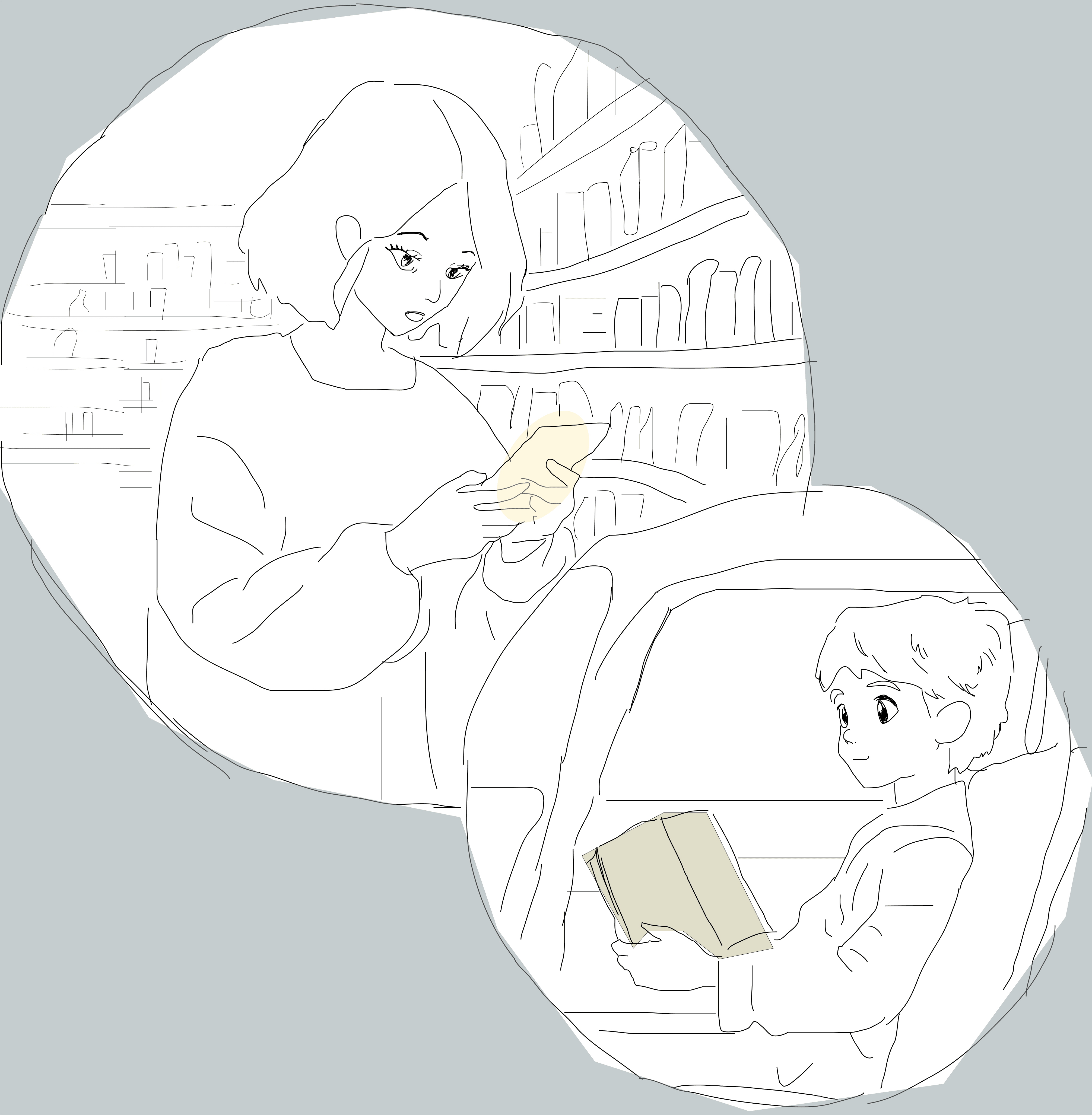
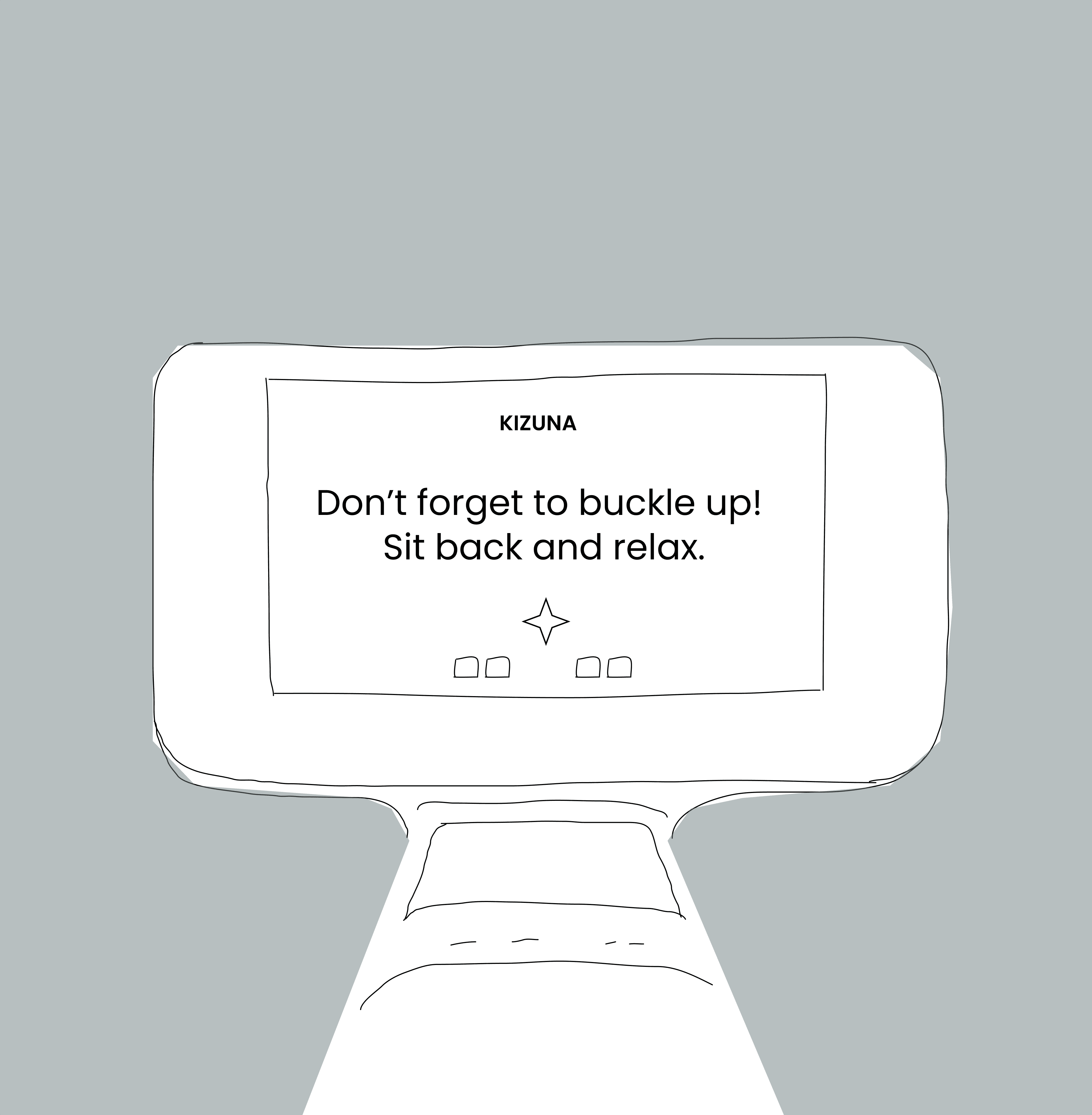
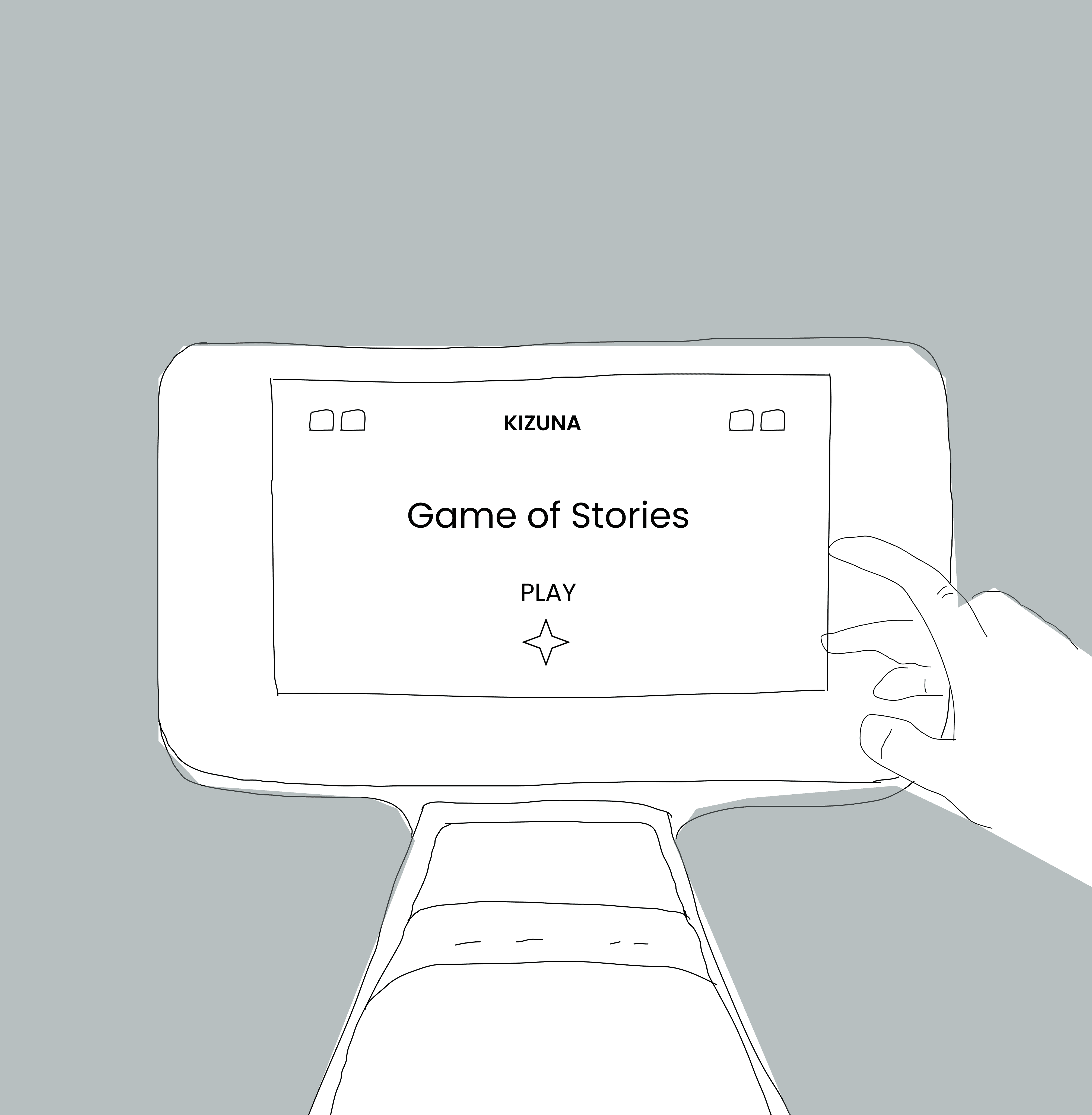
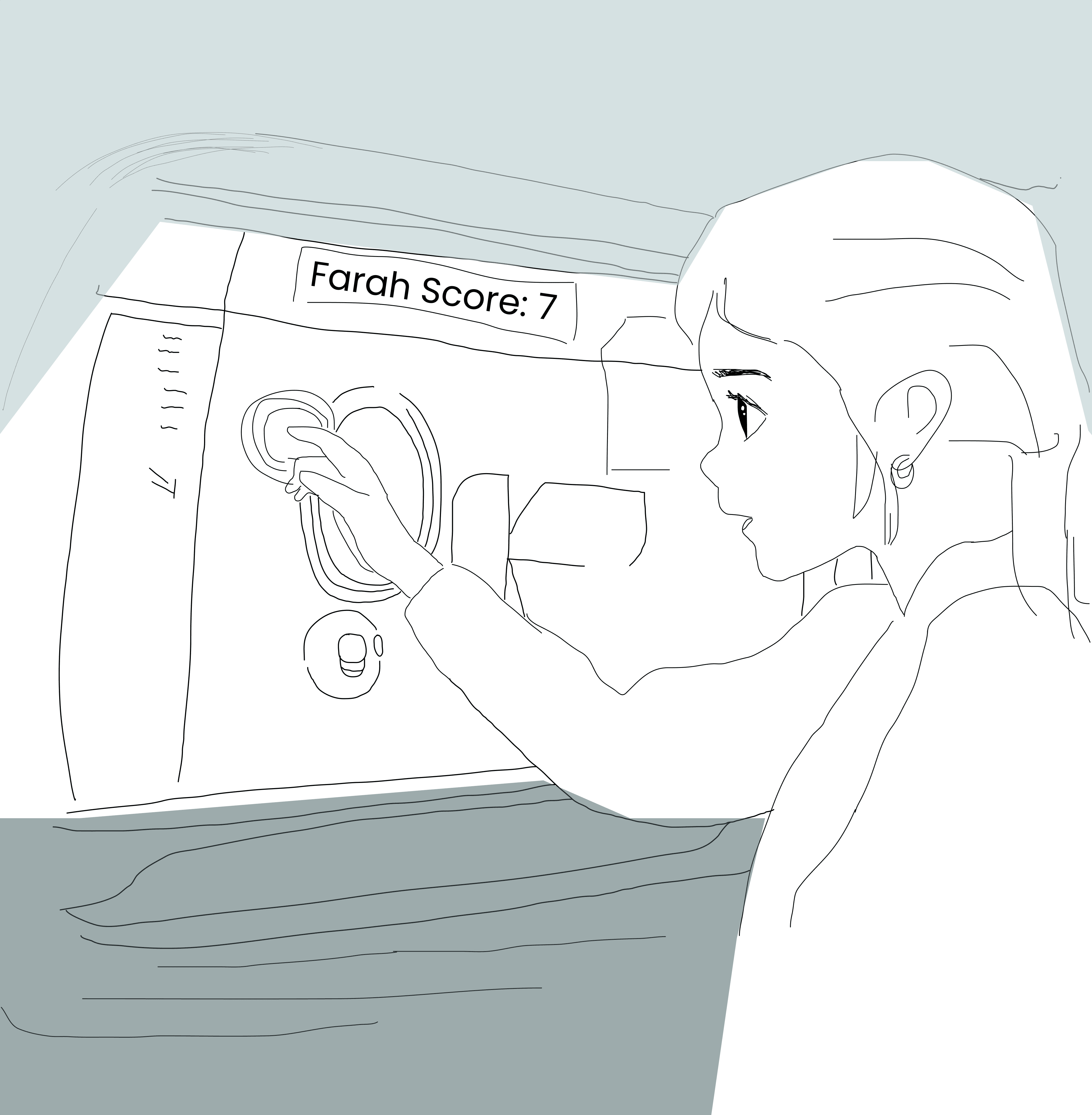
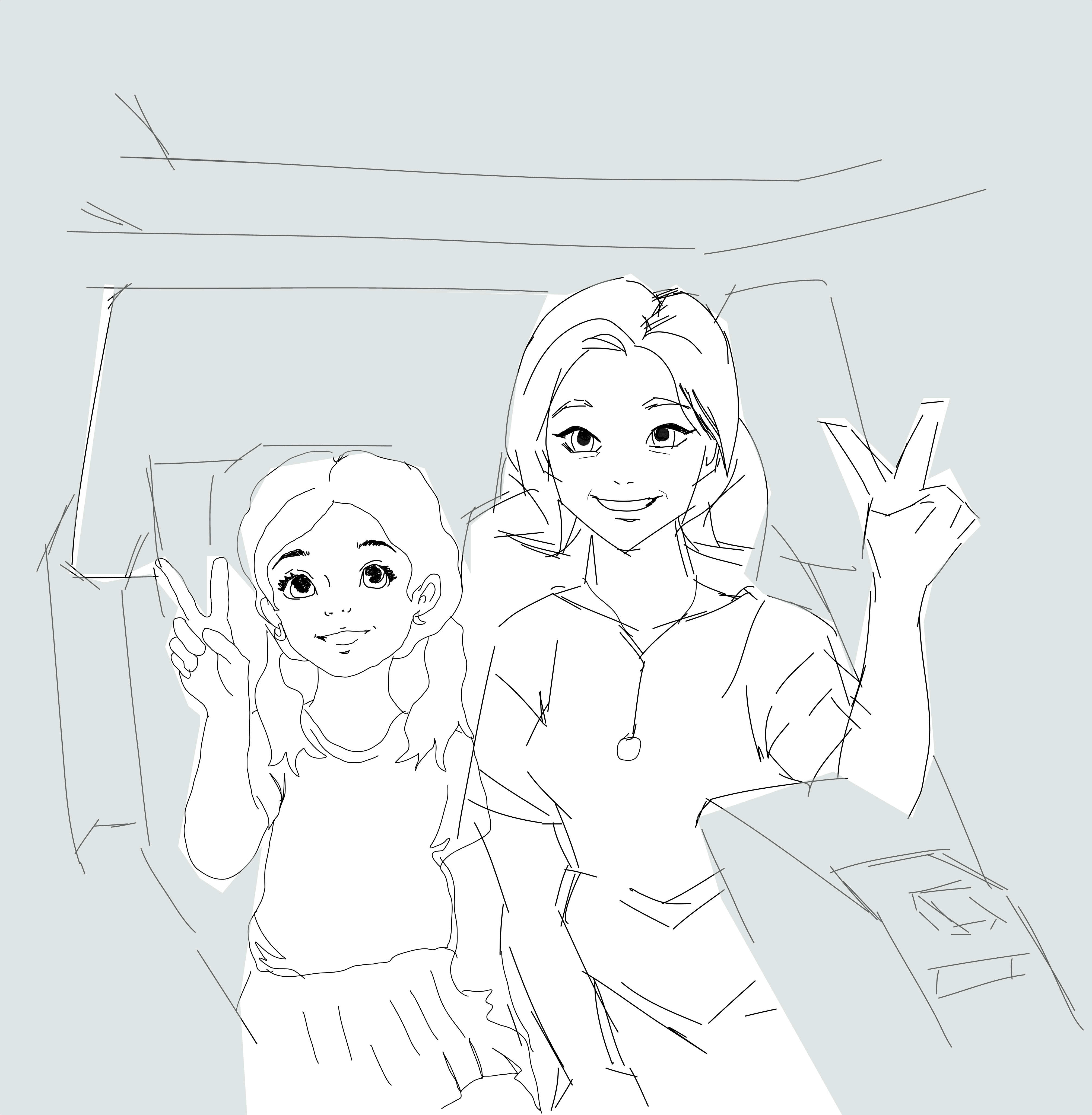
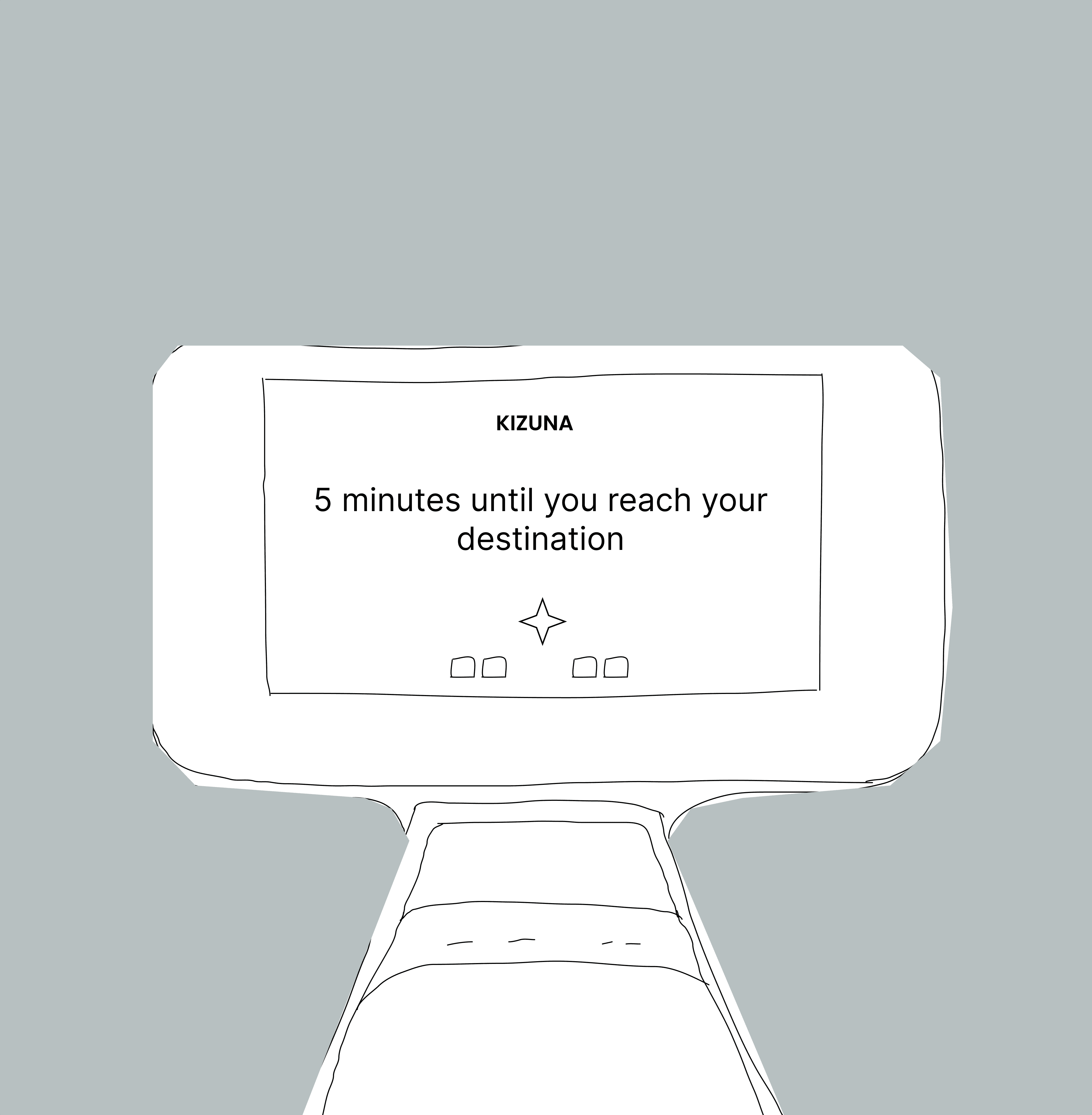
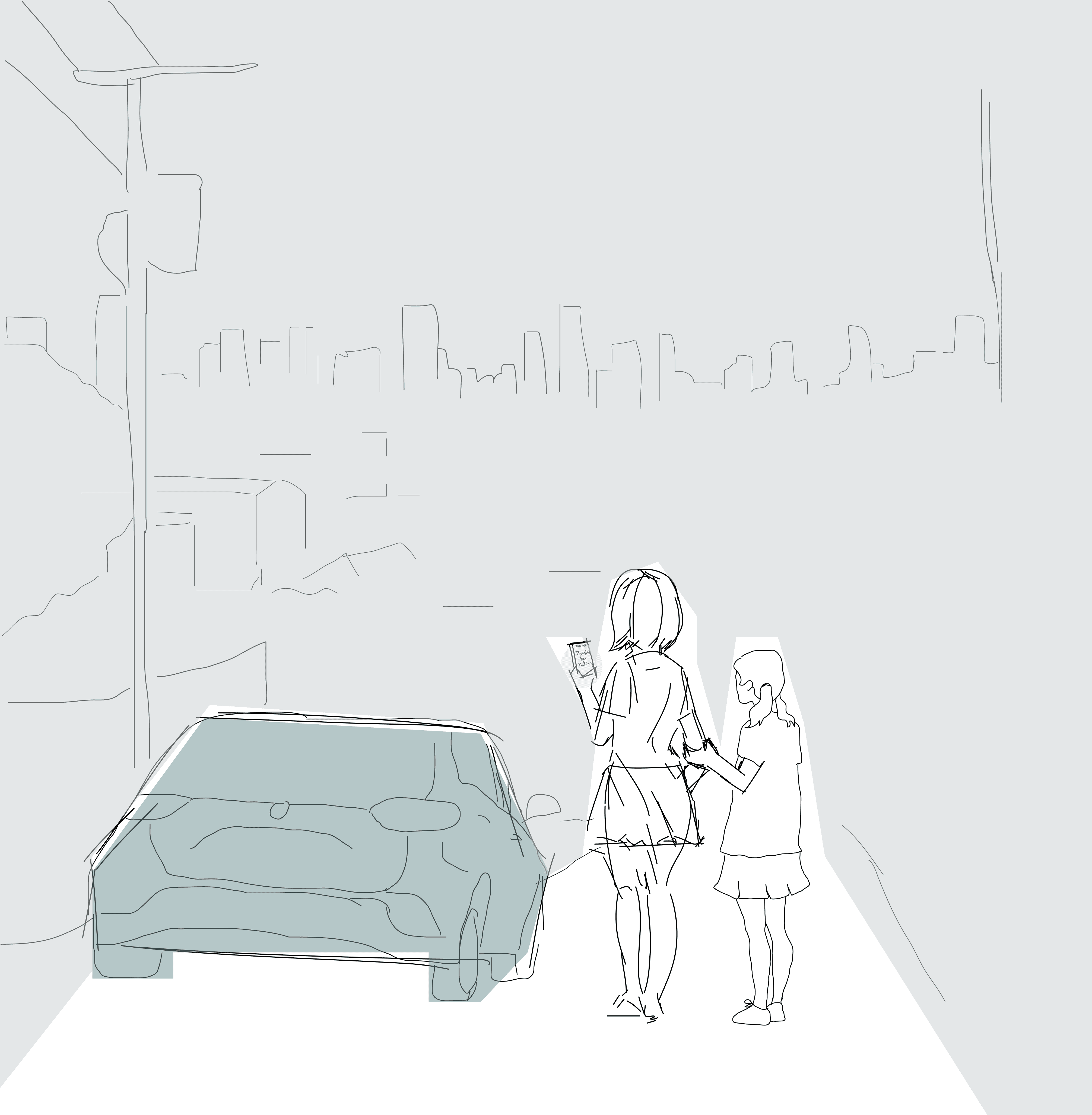
Our concept began with the story of a single mom and her daughter booking a Gozo ride. The storyboard shown here was created during the early ideation phase. As the project evolved through feedback and refinement, several aspects of the final solution changed from what is depicted in the storyboard.
09. Usability testing
Testing the Gozo trivia concept
Our team conducted three separate rounds of usability tests with our peers, professors, and staff from BMW.
Round 1
Styling
We started off using the glassmorphism style as the identity for Gozo trivia but quickly pivoted to a new direction after feedback of it not being accessible.
UX Change 1
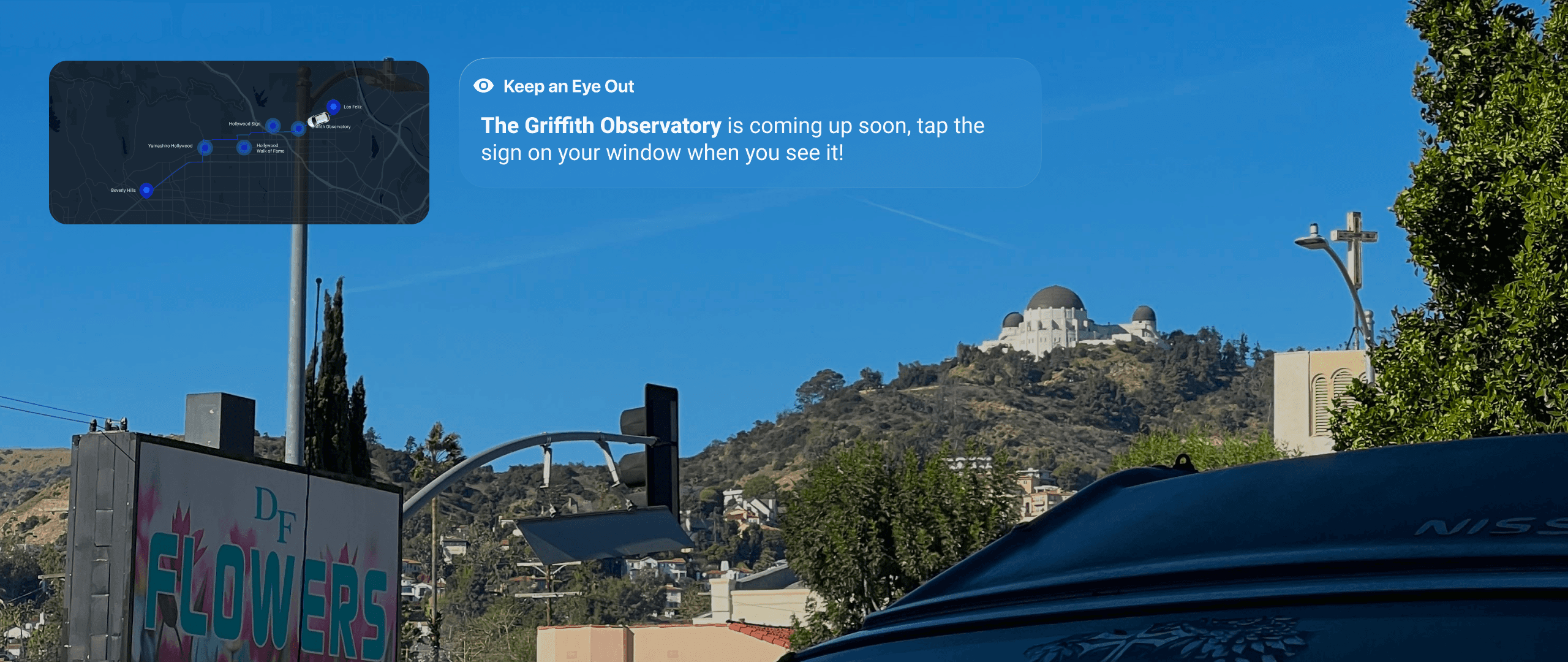
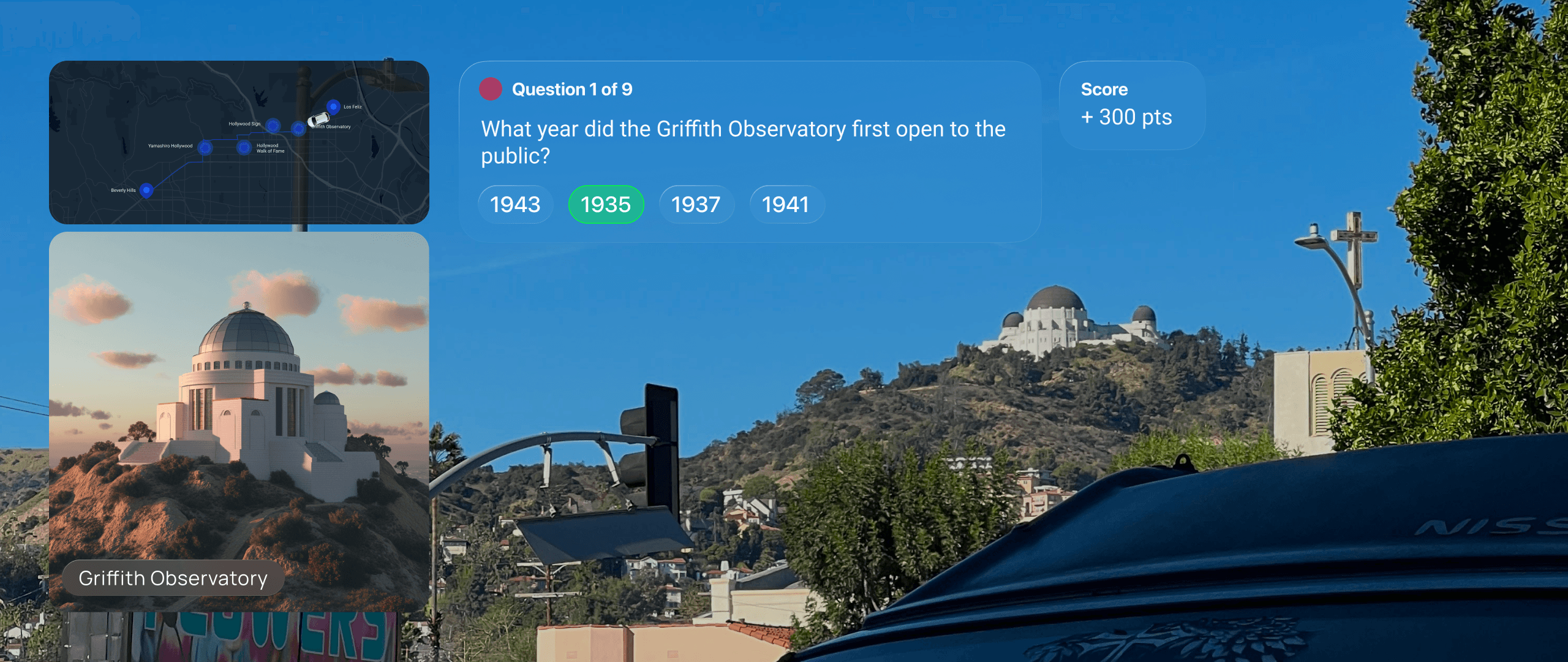
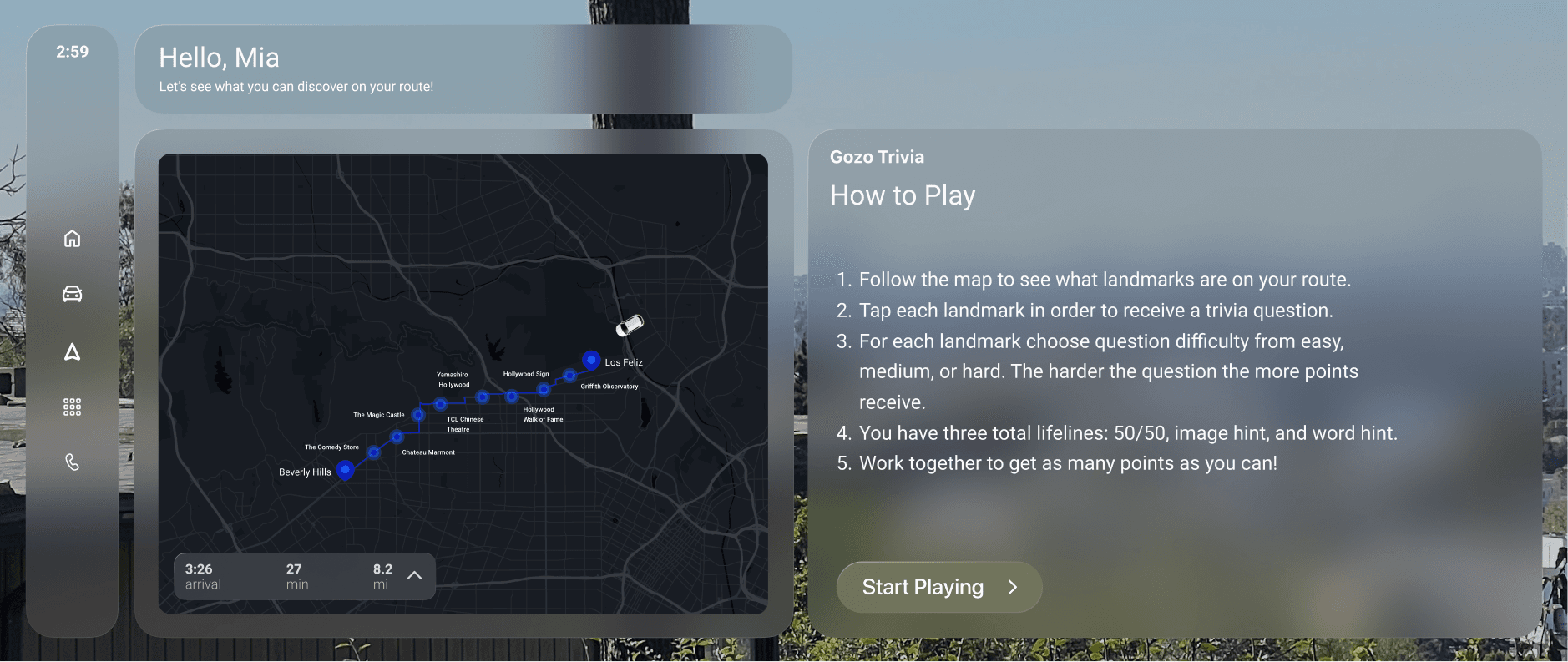
We originally included the route map on the AR window. However after our usability tests, we decided to move it to the main dashboard.
UX Change 2
our original "How to Play" guide created unnecessary friction by presenting users with an overwhelming wall of text. Lacking visual hierarchy, interactive elements, or clear segmentation, it failed to guide players intuitively through the gameplay experience.
Round 2
Styling
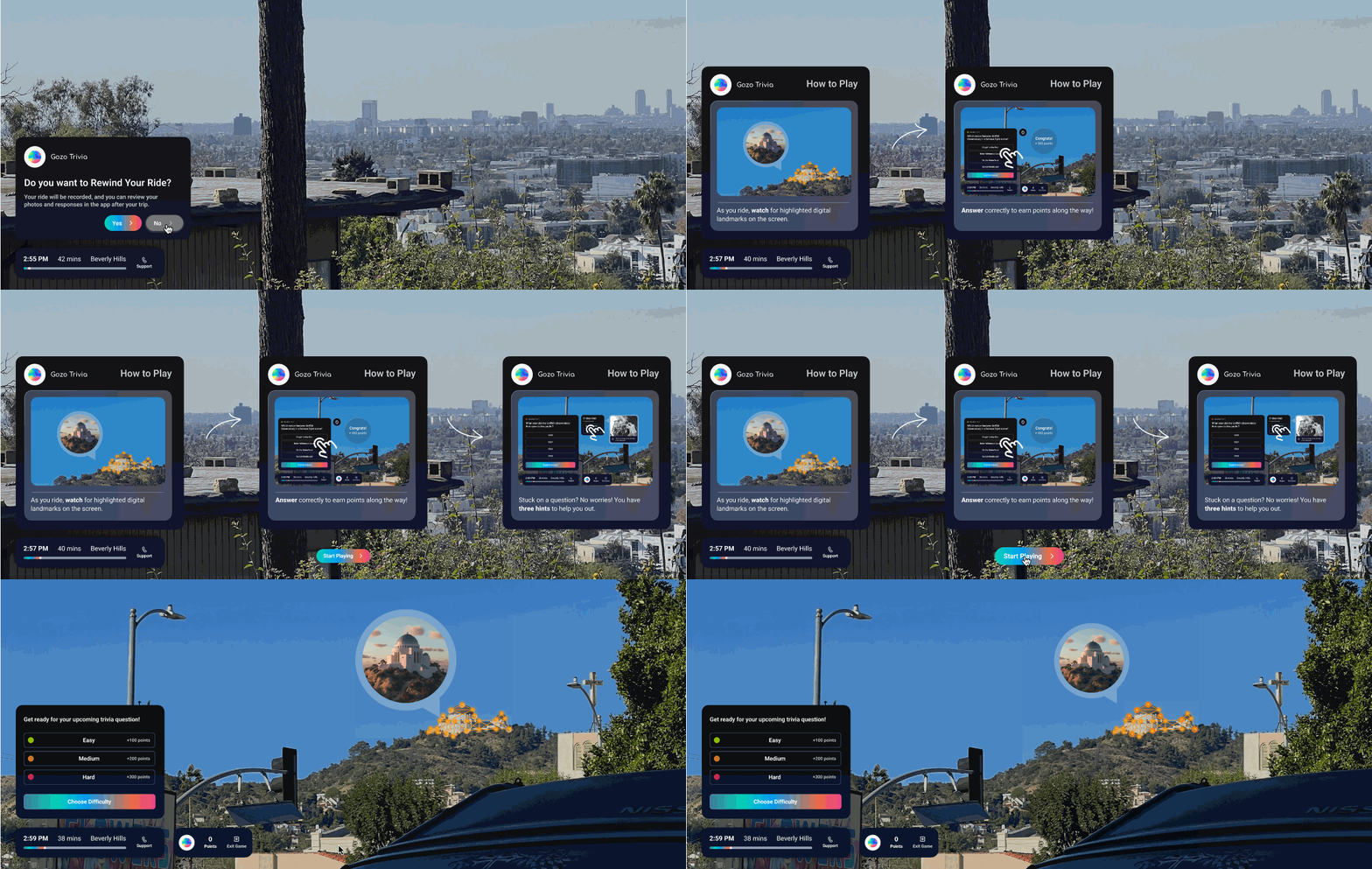
We changed the tutorial to me interactive and visually engaging.
UX Change 1
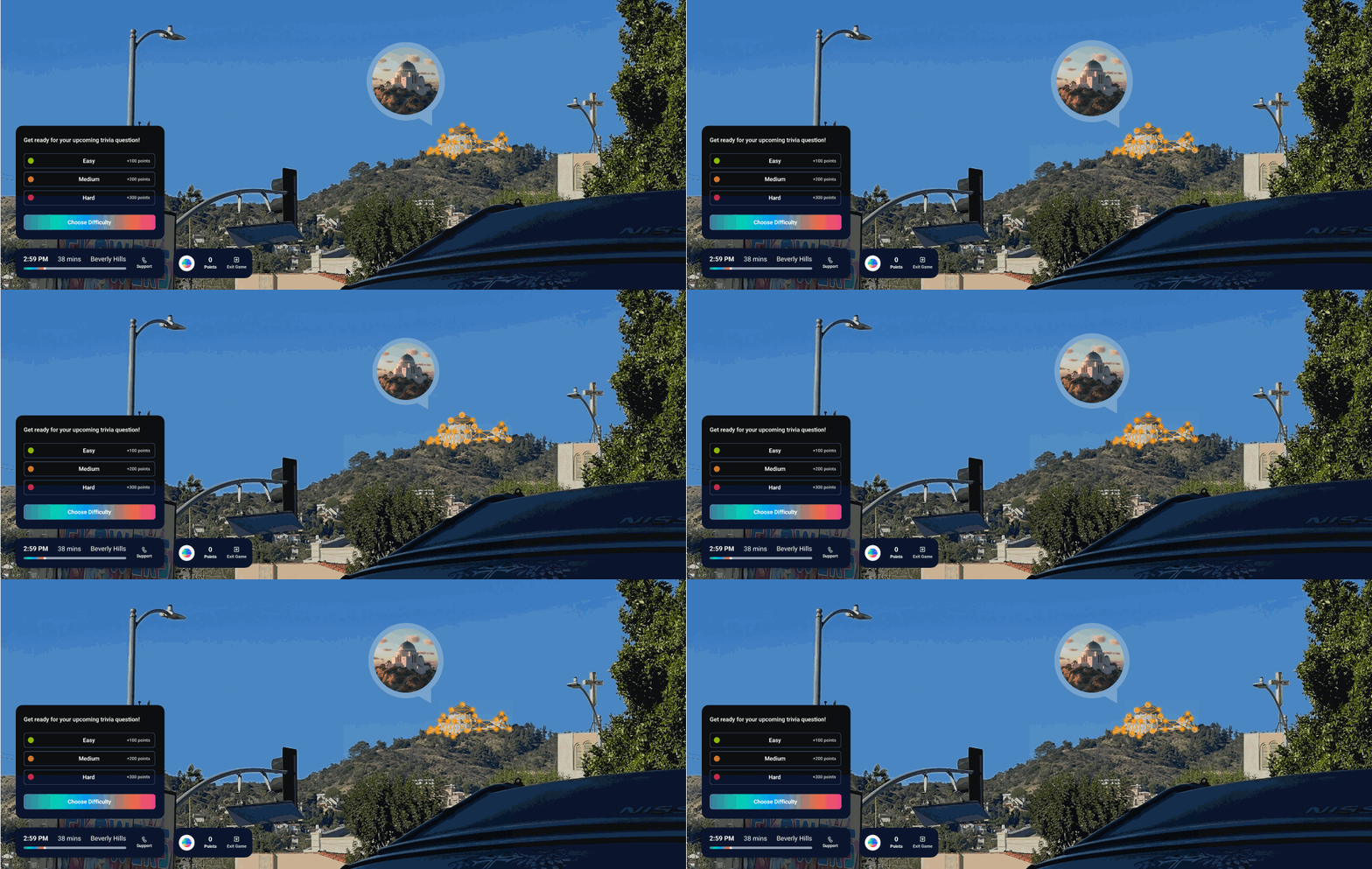
We updated the game format so that landmarks now appear automatically, rather than requiring users to tap the screen after passing one. This change helps reduce passenger stress and ensures they don't miss any questions during gameplay.
UX Change 2
Users were consistently overlooking the hints, so we explored several design alternatives. The solution that proved effective was positioning the hint so it floats beside the question, making it more visually prominent without being intrusive.
10. The final design
Product features
Our product includes three distinctive digital touch points: the main console, the AR game, and Rewind the Ride.
Main console
First digital touchpoint
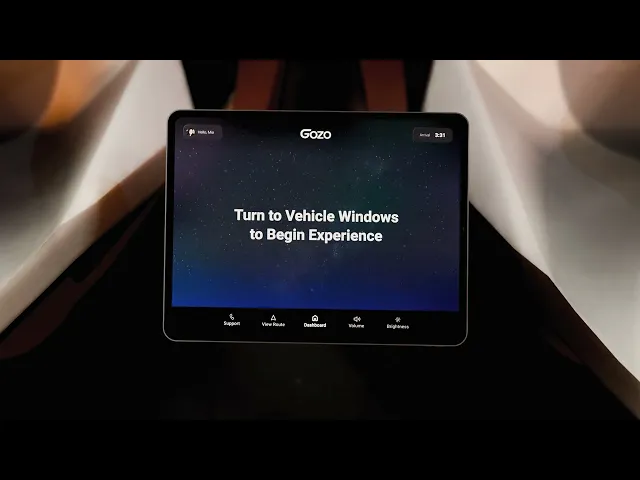
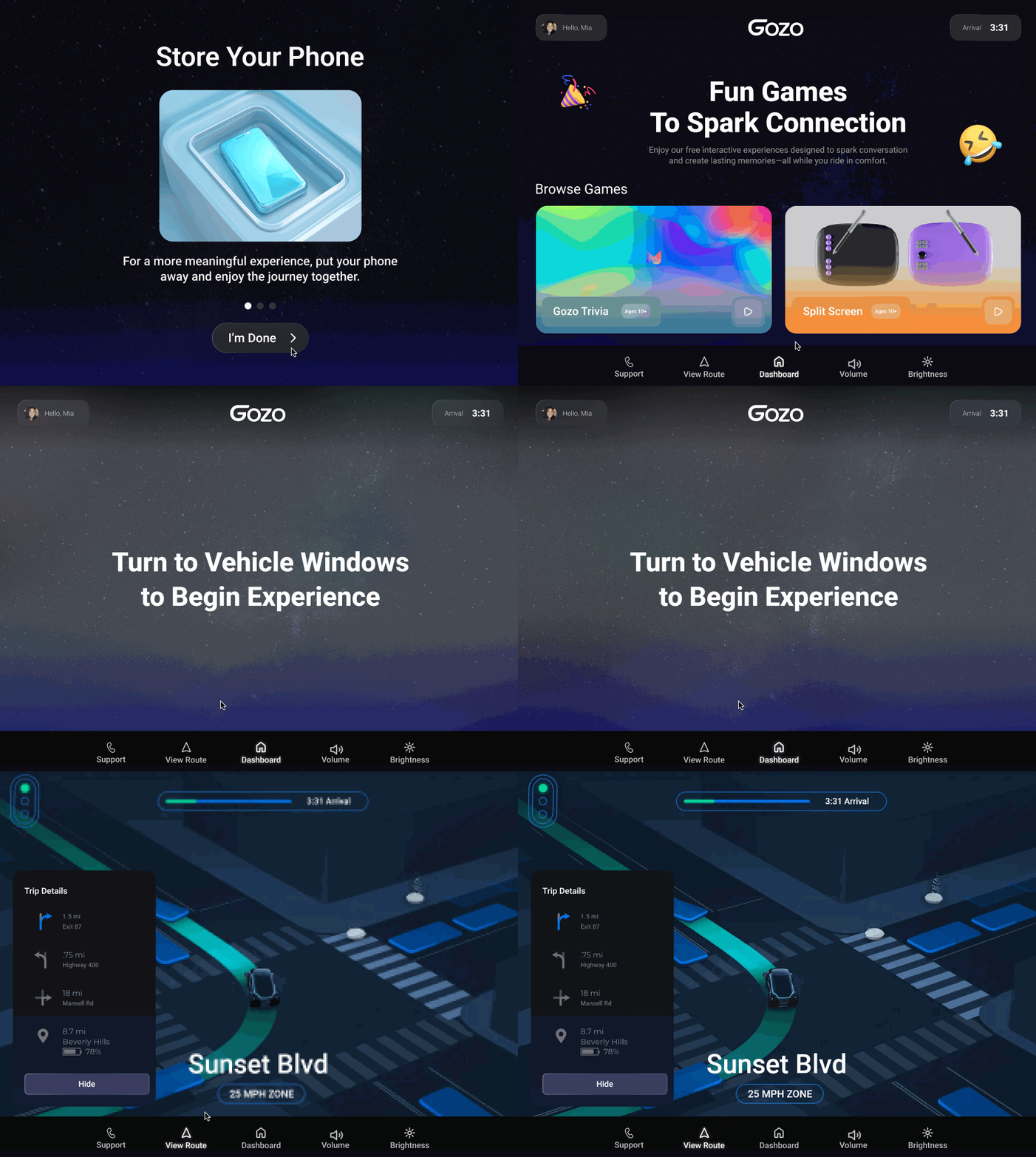
The main console displays important information like route map, call for help, and the entertainment options home screen
Gozo Trivia
Second digital touchpoint
The tutorial quickly walks the user through the game in a short and engaging manner.
Users must select the question difficulty level before answering a question.
There are three hint options: 50/50, Image hint, and text hint.

Rewind the ride
Third digital touchpoint
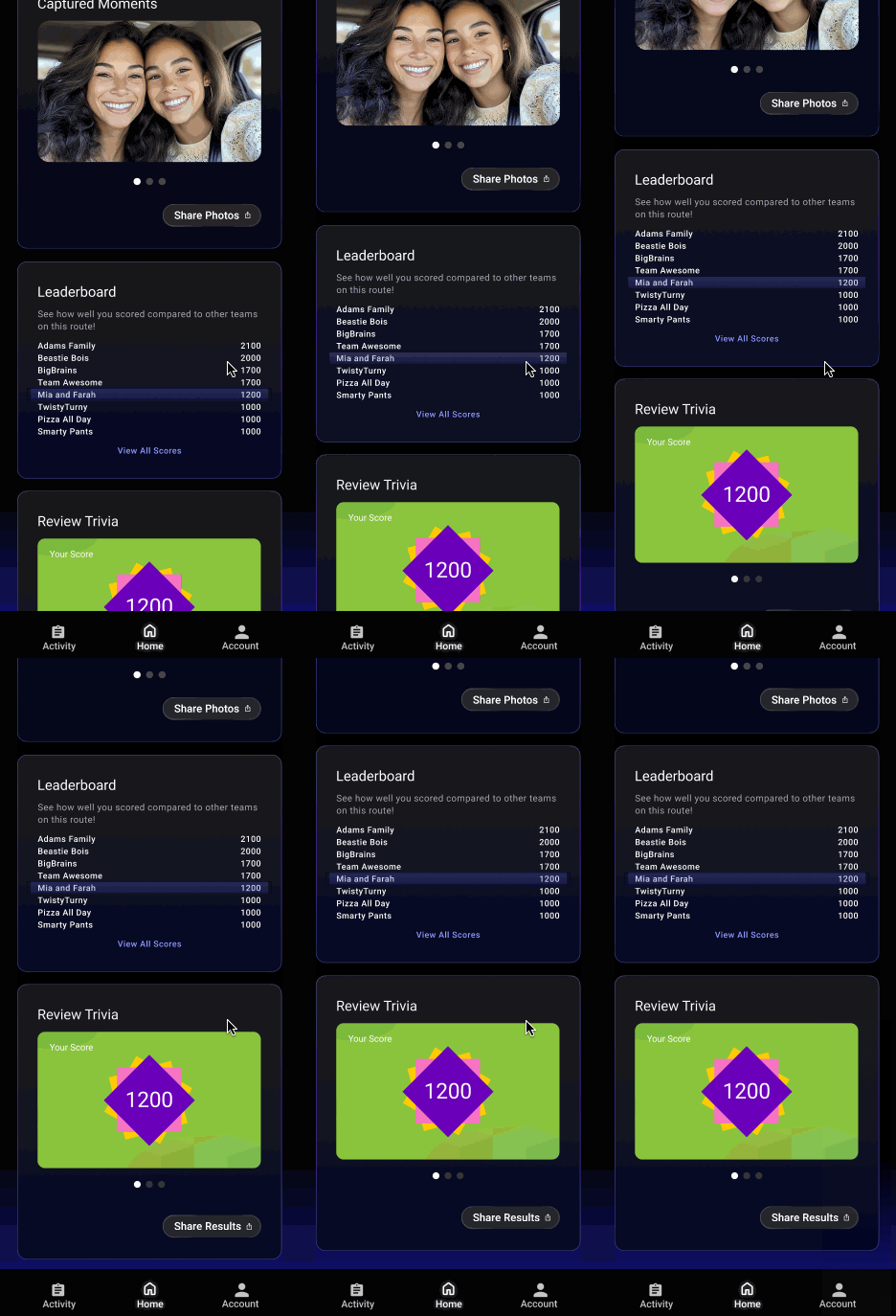
The 'Rewind' feature extends the user journey beyond the vehicle, offering a post-ride recap that re-engages users by visualizing key milestones.
11. Impact and evolution
Retrospective
Gozo Trivia challenged me to reimagine the in-car experience as a space for connection rather than isolation, using speculative design to transform autonomous travel into a shared, interactive journey. I designed conditional logic in Figma to create dynamic question flows based on difficulty levels and hint types (50/50, image, text), ensuring that the gameplay responded intuitively to user choices. Through usability testing and iterative feedback, I refined the experience to make it more accessible and engaging. Designing across multiple touchpoints—including an AR interface, in-car console, and mobile app—helped me craft a cohesive and inclusive experience. Ultimately, Gozo became more than just a game—it represented my vision of future mobility, a space for meaningful connection.
